
Anúncios
The shift from owning possessions to accessing services is reshaping how we live, work, and interact with resources, creating unprecedented opportunities for sustainability and economic efficiency.
🌍 The Paradigm Shift: From Ownership to Access
We’re witnessing a fundamental transformation in consumer behavior and business models across the globe. The traditional notion that prosperity equals accumulation is giving way to a more fluid, experience-based approach to consumption. This evolution isn’t merely a trend—it’s a response to pressing environmental concerns, economic pressures, and changing values, particularly among younger generations.
The ownership economy, which dominated the 20th century, encouraged individuals to accumulate possessions as markers of success and security. Cars sat idle in driveways for 95% of their lifespan, spare bedrooms remained empty most of the year, and tools gathered dust in garages after single uses. This model generated enormous waste, depleted resources, and created financial burdens that many could no longer sustain.
Today’s usage economy offers an alternative framework. Rather than purchasing items outright, consumers gain access to products and services precisely when needed. This shift leverages technology, collaborative platforms, and innovative business models to maximize resource utilization while minimizing environmental impact and personal financial commitment.
💡 Understanding the Usage Economy Ecosystem
The usage economy encompasses various models that prioritize access over ownership. Subscription services, sharing platforms, rental markets, and collaborative consumption networks all fall under this umbrella. Each model addresses different consumer needs while contributing to more efficient resource allocation.
Subscription services have proliferated beyond digital content to include clothing, furniture, vehicles, and even living spaces. These models provide flexibility and reduce the upfront costs associated with ownership, making quality products accessible to broader populations.
Peer-to-peer sharing platforms connect individuals who own underutilized assets with those who need temporary access. This democratizes access to resources while generating income for owners and reducing the need for new production.
Key Characteristics of Usage-Based Models
- Flexibility to scale consumption up or down based on actual needs
- Lower barriers to entry compared to traditional ownership
- Reduced responsibility for maintenance, storage, and disposal
- Access to premium products that might be unaffordable to purchase
- Opportunity to experience variety without long-term commitment
🚗 Mobility Revolution: Transportation Without Ownership
The transportation sector exemplifies the usage economy’s transformative potential. Car ownership, once synonymous with freedom and independence, now represents a significant financial burden and environmental liability. The average vehicle costs thousands annually in payments, insurance, maintenance, and parking, while spending most of its time stationary.
Ride-sharing services have fundamentally altered urban mobility. Millions now navigate cities without owning vehicles, summoning transportation on-demand through smartphone apps. This convenience, combined with cost savings for occasional users, has made car ownership increasingly optional, particularly in dense urban environments.
Car-sharing programs take this further by offering hourly or daily vehicle access without the long-term commitment of ownership or traditional rental hassles. Users select from various vehicle types based on specific trip requirements—compact cars for solo errands, vans for moving furniture, or electric vehicles for environmentally conscious journeys.
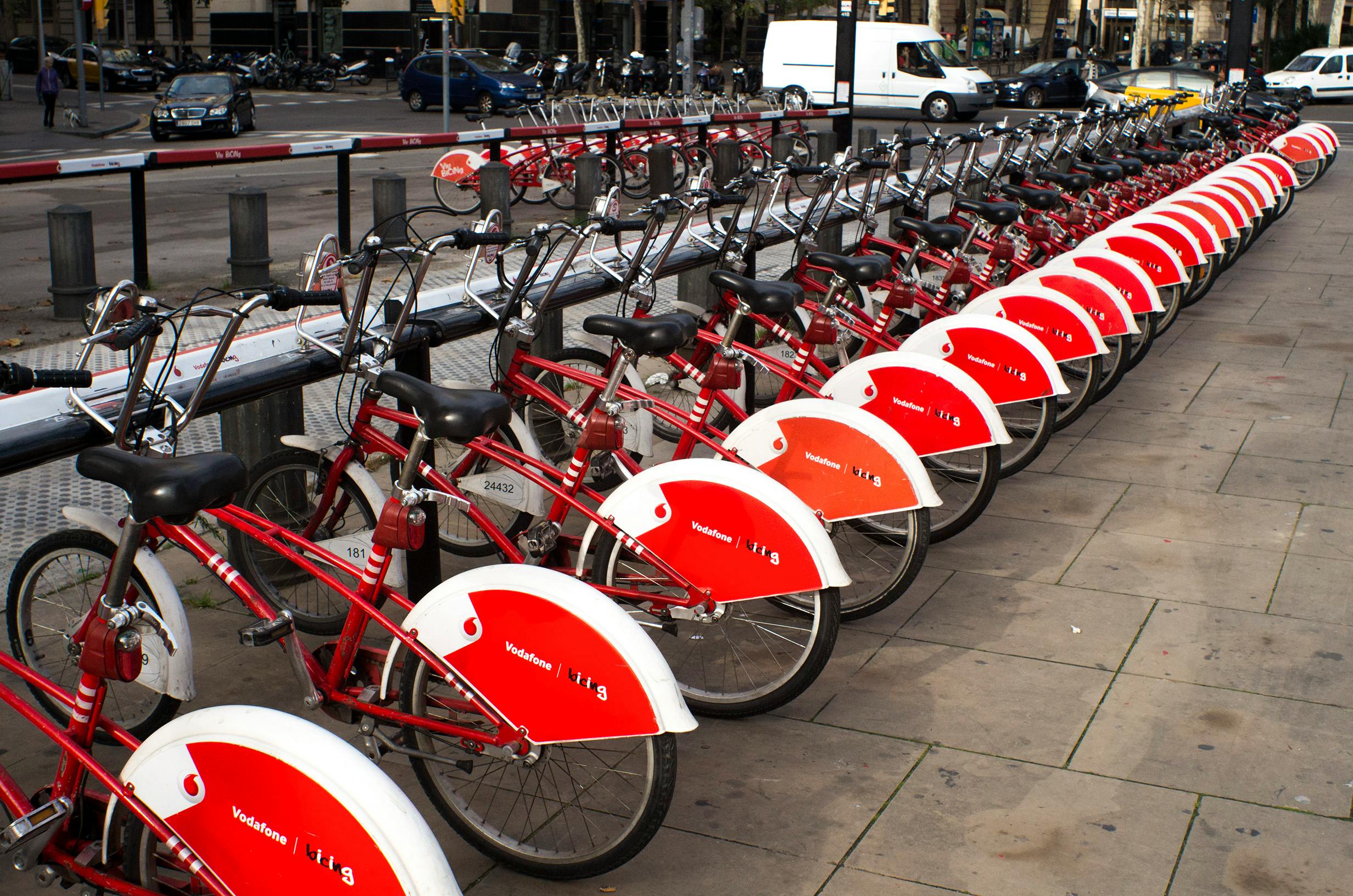
Electric scooters and bikes have flooded cities worldwide, providing last-mile solutions that complement public transit. These micro-mobility options reduce congestion, lower emissions, and make sustainable transportation choices convenient and affordable.
🏠 Reimagining Living Spaces and Accommodation
Housing represents our largest expense and most significant ownership commitment. The usage economy is introducing flexibility into this traditionally rigid market through various innovative approaches.
Co-living spaces offer furnished rooms with shared amenities, creating community while reducing costs and environmental footprints. These arrangements particularly appeal to mobile professionals, recent graduates, and those prioritizing experiences over property accumulation.
Short-term rental platforms have transformed how we travel and even how we think about primary residences. Homeowners monetize spare rooms or entire properties during absences, while travelers access authentic local experiences at competitive prices. This efficient use of existing housing stock reduces the need for new hotel construction while distributing tourism’s economic benefits more broadly.
Furniture and appliance rental services enable frequent movers, students, and minimalists to furnish living spaces without the burden of ownership. When circumstances change, items can be exchanged, upgraded, or returned without the hassle and waste of disposal.
👔 Fashion Forward: Clothing as a Service
The fashion industry ranks among the world’s most polluting sectors, with fast fashion encouraging overconsumption and generating massive textile waste. The usage economy offers compelling alternatives that maintain style while reducing environmental harm.
Clothing rental services provide access to designer wardrobes for special occasions or everyday wear. Subscribers receive curated selections, wear items as desired, then return them for cleaning and redistribution. This model dramatically reduces the per-wear cost of quality garments while extending their useful life across multiple users.
Children’s clothing presents an especially logical application for rental models. Kids outgrow clothes rapidly, making traditional ownership economically wasteful. Subscription services deliver age-appropriate clothing that can be exchanged as children grow, keeping wardrobes current without accumulating unworn items.
🔧 Tools, Equipment, and Specialized Goods
Most households own tools and equipment used infrequently yet occupying valuable storage space. Power drills purchased for occasional home projects, camping gear deployed annually, or party supplies stored indefinitely represent significant capital tied up in idle assets.
Tool libraries and equipment rental services address this inefficiency by maintaining inventories of shared items available for temporary checkout. Users access professional-grade equipment without purchase costs or storage concerns, while communities reduce redundant ownership and associated resource consumption.
For professionals, equipment-as-a-service models provide access to expensive, rapidly evolving technology without obsolescence risk. Construction companies, photographers, and medical practices can leverage cutting-edge equipment through subscription or rental arrangements that include maintenance and upgrades.
📊 Environmental Imperatives Driving the Transition
Climate change, resource depletion, and pollution demand fundamental changes in how we produce and consume. The usage economy addresses these challenges by optimizing resource utilization and reducing waste throughout product lifecycles.
| Environmental Benefit | Impact Mechanism |
|---|---|
| Reduced Production | Shared assets serve multiple users, decreasing manufacturing demand |
| Extended Lifecycles | Maintenance incentives and professional management increase product longevity |
| Waste Reduction | Products remain in use longer, delaying disposal and landfill burden |
| Lower Emissions | Efficient asset utilization and optimized logistics reduce carbon footprints |
| Circular Economy | Products designed for durability, repair, and eventual recycling |
When properly implemented, usage models incentivize durability over disposability. Companies maintaining rental fleets benefit from building longer-lasting products, contrasting sharply with planned obsolescence that characterizes traditional ownership markets.
💰 Economic Advantages for Individuals and Society
The financial benefits of usage over ownership extend beyond individual savings to create broader economic efficiencies and opportunities.
For consumers, usage models convert large capital expenditures into predictable, manageable operational expenses. Instead of saving for major purchases or taking on debt, individuals pay only for actual usage, freeing capital for other priorities or investments.
Flexibility represents another crucial economic advantage. Traditional ownership locks consumers into long-term commitments that may not align with changing circumstances. Usage models allow consumption to scale dynamically with needs—expanding during periods of high demand and contracting when requirements decrease.
At the societal level, efficient resource utilization generates economic value without corresponding environmental costs. Communities require fewer total assets to meet collective needs, reducing production demands and associated pollution while maintaining or improving quality of life.
🤝 Social Dimensions: Community and Connection
Beyond environmental and economic benefits, the usage economy fosters social connections often absent in ownership-focused societies. Sharing platforms create interactions between strangers who might otherwise never meet, building social capital and community resilience.
Co-living and co-working spaces deliberately cultivate community through shared resources and common areas. These environments counter the isolation that can accompany traditional ownership models, particularly in urban settings where anonymity often prevails.
The usage economy also promotes more equitable access to quality goods and services. Items once affordable only to wealthy individuals become available to broader populations through sharing and subscription models, reducing material inequality even as formal ownership patterns persist.
⚡ Technology as the Great Enabler
The usage economy’s rapid expansion would be impossible without technological infrastructure that reduces transaction costs and builds trust between strangers. Smartphones, GPS tracking, digital payments, and reputation systems have eliminated barriers that previously made sharing impractical.
Mobile applications connect supply and demand in real-time, enabling instant transactions that would have required extensive coordination just years ago. Users locate, reserve, access, and pay for shared resources through seamless digital experiences that rival or exceed ownership convenience.
Data analytics optimize resource allocation by predicting demand patterns, positioning assets strategically, and dynamically pricing access to balance utilization. These sophisticated systems maximize efficiency while maintaining service quality and availability.
Blockchain and smart contracts promise further innovations by automating agreements, ensuring transparent transactions, and enabling decentralized sharing platforms without corporate intermediaries.
🚧 Challenges and Considerations
Despite its promise, the usage economy faces legitimate challenges that require thoughtful solutions to ensure sustainable, equitable development.
Labor concerns have emerged prominently, particularly regarding platform workers classified as independent contractors rather than employees. This classification often excludes workers from benefits, protections, and stable income that traditional employment provides. Addressing these issues without undermining the flexibility that attracts many workers remains an ongoing challenge.
Privacy and data security require vigilant attention as usage platforms collect extensive information about user behavior, preferences, and movements. Clear policies, robust security measures, and regulatory oversight are essential to prevent abuse and maintain user trust.
Quality and safety standards must be maintained across distributed assets owned by multiple parties. Effective inspection systems, insurance mechanisms, and dispute resolution processes protect both providers and users while ensuring positive experiences.
Regulatory Adaptation
Existing regulations often fail to accommodate usage economy innovations, creating uncertainty and sometimes stifling beneficial developments. Forward-thinking policy frameworks should balance innovation encouragement with legitimate safety, tax, and consumer protection concerns.
Zoning laws, licensing requirements, insurance mandates, and tax codes developed for ownership models often don’t translate directly to sharing arrangements. Regulatory modernization should involve stakeholders across sectors to develop approaches that protect public interests while enabling beneficial innovations.
🔮 The Path Forward: Maximizing Potential
Realizing the usage economy’s full potential requires deliberate efforts from businesses, policymakers, and individuals to address challenges while amplifying benefits.
Companies should prioritize durability and repairability in product design, recognizing that usage models incentivize longevity over disposability. Modular designs, standardized components, and repair-friendly construction extend lifecycles and reduce waste.
Policymakers can accelerate beneficial transitions through incentives that reward resource efficiency, regulations that ensure fair labor practices, and investments in infrastructure that supports sharing models. Tax policies might favor access over ownership where environmental benefits are clear.
Individuals can embrace usage models where they offer genuine advantages while remaining mindful of potential drawbacks. Thoughtful consumption—whether through ownership or access—should prioritize needs over wants, quality over quantity, and sustainability over convenience.
🌟 Building a Balanced Future
The usage economy shouldn’t eliminate ownership entirely but rather complement it intelligently. Certain items—tools used daily, clothing basics, cherished possessions with sentimental value—may warrant ownership. Others—specialty equipment, occasion-specific items, rapidly evolving technology—make more sense as shared resources.
The smartest approach combines ownership and access strategically, selecting each based on actual usage patterns, economic considerations, and environmental impacts. This hybrid model maximizes benefits while avoiding the extremes of excessive accumulation or complete dependence on external providers.
As technology advances and social attitudes evolve, the boundaries between ownership and usage will continue blurring. Success lies not in dogmatic adherence to either model but in thoughtfully applying each where it delivers greatest value—personal, economic, and environmental.
🎯 Taking Action: Practical Steps Toward Usage-Based Living
Transitioning from ownership to usage requires intentional choices and behavioral changes. Start by auditing possessions to identify rarely used items that could be sold, donated, or replaced with access arrangements. Before any significant purchase, consider whether rental, borrowing, or subscription alternatives might better serve actual needs.
Explore sharing platforms in your community for transportation, tools, and other resources. Many cities now offer tool libraries, toy exchanges, and community sharing initiatives that reduce individual ownership burdens while strengthening local connections.
Support businesses pioneering sustainable usage models through your patronage and advocacy. Consumer demand drives business innovation, and demonstrated preference for access over ownership encourages broader adoption of these beneficial approaches.
Engage in community discussions about zoning, regulations, and infrastructure that either enable or hinder sharing economy development. Local policy decisions significantly impact whether usage models can thrive in your area.
🌈 Embracing Possibility Over Possession
The transition from ownership to usage represents more than an economic shift—it reflects evolving values that prioritize experiences over possessions, flexibility over permanence, and sustainability over excess. This transformation challenges deeply ingrained assumptions about success, security, and what constitutes a good life.
For generations raised in ownership-focused cultures, embracing usage requires reexamining fundamental beliefs about material accumulation and its relationship to wellbeing. Evidence increasingly suggests that beyond basic needs, additional possessions contribute little to happiness while creating burdens of maintenance, storage, and eventual disposal.
The usage economy offers liberation from these burdens—freedom to pursue experiences, relationships, and personal growth without the anchoring weight of excessive possessions. It enables mobility, reduces stress, and aligns consumption more closely with actual needs and values.
As climate urgency intensifies and resource constraints tighten, the usage economy transforms from optional lifestyle choice to practical necessity. The question isn’t whether we’ll shift from ownership to access, but how quickly and equitably we’ll make this essential transition.
By bridging the gap between traditional ownership and emerging usage models, we unlock tremendous potential for smarter, more sustainable living. This journey requires openness to new possibilities, willingness to challenge assumptions, and commitment to building systems that serve both human flourishing and planetary health. The tools, technologies, and models already exist—what remains is collective will to embrace them and create the future we need.
