
Anúncios
The glittering promise of affordable fashion has come at a devastating price that extends far beyond the checkout counter, affecting our planet, workers, and societal values.
🌍 The Hidden Environmental Catastrophe Behind Your $5 T-Shirt
Fast fashion has revolutionized the way we consume clothing, transforming fashion from seasonal collections into a constantly churning cycle of micro-trends that appear and disappear within weeks. What once took months to reach store shelves now materializes in days, feeding an insatiable appetite for newness that has fundamentally altered our relationship with clothing.
The environmental toll of this acceleration is staggering. The fashion industry now produces approximately 100 billion garments annually, double the amount from 2000, while the average number of times a garment is worn has decreased by 36% in the same period. This disposable mentality has positioned the fashion industry as the second-largest polluter globally, responsible for 10% of worldwide carbon emissions—more than all international flights and maritime shipping combined.
Water consumption represents another alarming dimension of this crisis. A single cotton t-shirt requires approximately 2,700 liters of water to produce—enough drinking water for one person for two and a half years. When scaled to industry levels, textile dyeing and treatment constitute the second-largest polluter of water globally, with untreated toxic wastewater flowing directly into rivers and streams in developing countries where environmental regulations remain weak or unenforced.
The Textile Waste Emergency We’re Ignoring
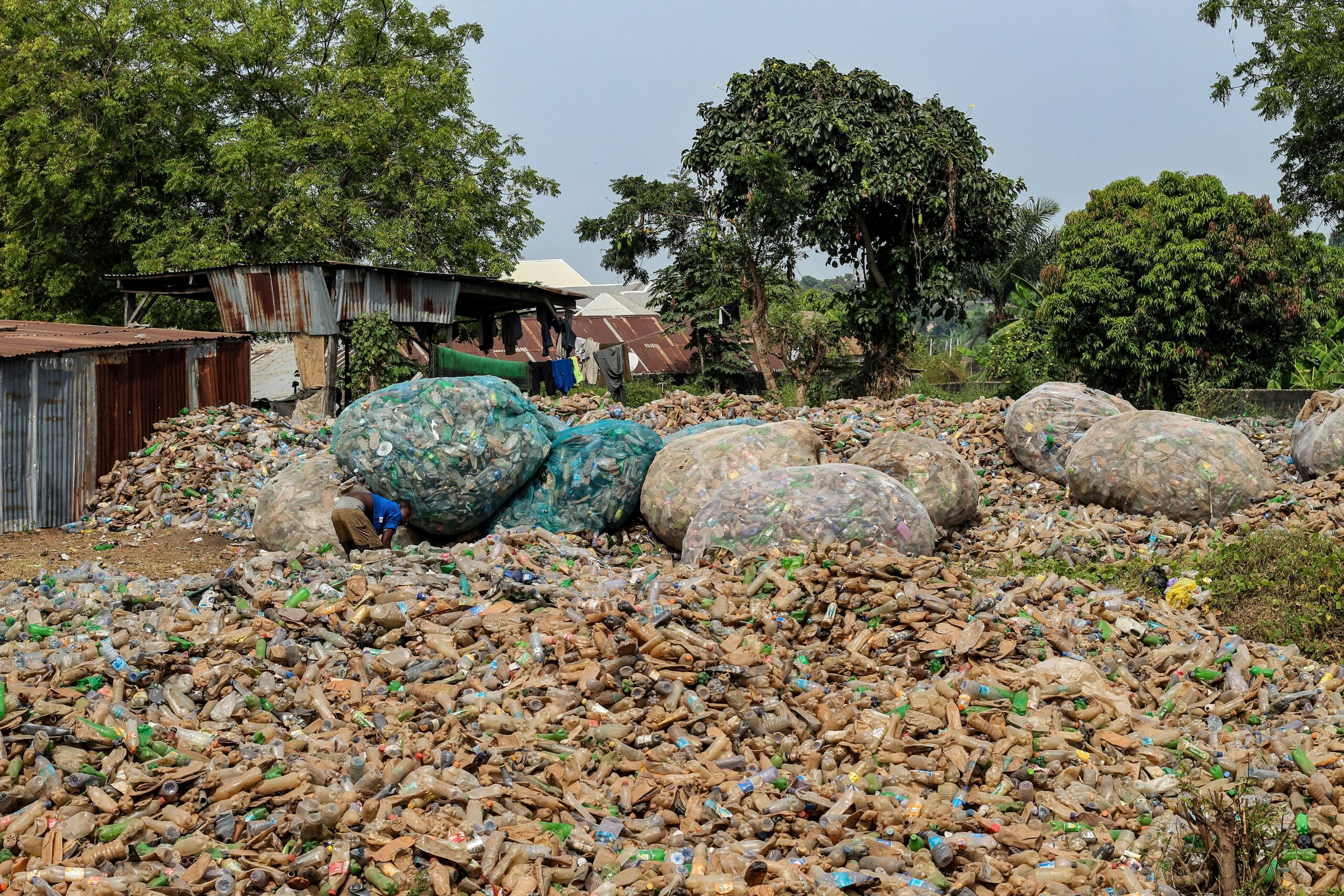
The afterlife of fast fashion garments reveals perhaps the most troubling aspect of this industry. Americans alone discard approximately 11.3 million tons of textile waste annually, equivalent to 85% of all textiles purchased. The majority of these garments end up in landfills where synthetic materials can take up to 200 years to decompose, leaching toxic chemicals and dyes into soil and groundwater throughout their slow degradation.
Even donated clothing doesn’t escape this wasteful trajectory. Only about 10-20% of donated garments actually get resold in charity shops. The remainder gets shipped to developing countries, particularly in Africa, where mountains of unwanted Western clothing have decimated local textile industries and created new waste management crises in regions least equipped to handle them.
💔 The Human Cost: Modern Slavery in Fashion Supply Chains
Behind every impossibly cheap garment stands a worker whose labor has been systematically devalued. The race to the bottom in pricing has created a global supply chain built on exploitation, with garment workers—predominantly women—earning poverty wages while working in dangerous conditions that would be illegal in the countries where these clothes are ultimately sold.
In Bangladesh, the world’s second-largest garment exporter, the minimum wage for garment workers stands at approximately $95 per month—barely a third of what’s needed to meet basic living costs. Workers routinely endure 14-16 hour shifts in factories with inadequate ventilation, blocked fire exits, and structural vulnerabilities that have led to catastrophic collapses like the 2013 Rana Plaza disaster that killed 1,134 people.
The Broken Promise of Ethical Audits
Major fashion brands frequently tout their ethical auditing processes and supplier codes of conduct, yet these systems have proven woefully inadequate. Audits are often announced in advance, giving factories time to coach workers and hide violations. When violations are discovered, brands typically move production to new suppliers rather than investing in meaningful improvements, perpetuating a cycle where exploitation simply relocates rather than ends.
The pressure to deliver garments at impossibly low prices creates a cascading effect throughout the supply chain. Brands squeeze suppliers on price, who in turn cut corners on worker safety, wages, and conditions. Subcontracting has become endemic, with orders passing through multiple intermediaries before reaching factories that operate in complete opacity, beyond the reach of even perfunctory oversight.
📉 The Erosion of Quality and Craftsmanship
The relentless pursuit of lower prices has necessitated a fundamental degradation in garment quality. Modern fast fashion pieces are engineered for obsolescence, constructed from inferior materials using simplified techniques that prioritize speed over durability. Seams fray after a few washes, zippers break within months, and fabrics pill or lose shape almost immediately.
This represents a dramatic departure from historical clothing consumption patterns. A garment purchased in the 1960s was expected to last years, often passing through multiple owners or being repaired and maintained as a valuable possession. Today’s fast fashion pieces are designed with a lifespan measured in weeks, intended to survive just long enough to make way for the next trend without triggering immediate consumer dissatisfaction.
The Lost Art of Garment Care and Repair
As clothing has become disposable, the skills and infrastructure surrounding garment maintenance have atrophied. Tailoring and repair services have dwindled as economic activity shifted toward constant replacement rather than preservation. Younger generations often lack basic skills like sewing on a button or hemming pants, viewing these tasks as more trouble than simply buying replacements.
This knowledge erosion extends beyond practical skills to material literacy. Many consumers can no longer distinguish quality fabrics from inferior ones, or recognize the hallmarks of good construction. This ignorance leaves shoppers vulnerable to marketing claims while undermining their ability to make informed choices about value and longevity.
🧠 The Psychological Trap of Trend Acceleration
Fast fashion has weaponized psychological vulnerabilities to create a perpetual state of dissatisfaction with existing wardrobes. By accelerating trend cycles and creating artificial urgency through limited-time collections and influencer partnerships, brands have successfully reframed clothing as instantly obsolete regardless of physical condition.
Social media has amplified this psychological manipulation exponentially. The pressure to avoid “outfit repeating” in photos, combined with algorithm-driven targeted advertising, creates a feedback loop where consumers feel compelled to constantly purchase new items to maintain social relevance. The dopamine hit of clicking “buy now” provides temporary satisfaction that quickly fades, driving the next purchase in an addictive cycle.
The Illusion of Democratization
Fast fashion markets itself as democratizing style, making trendy clothing accessible regardless of income. This narrative obscures the reality that this “accessibility” comes at enormous hidden costs borne by others—exploited workers, polluted communities, and future generations inheriting environmental devastation. True democratization would involve making quality, durable clothing affordable, not simply making disposable imitations cheaper.
Moreover, the vast quantities required to satisfy this model ensure that truly distinctive personal style becomes increasingly difficult. When everyone has access to the same rapidly churning trends, individuality paradoxically suffers even as choice appears to expand. Genuine self-expression through clothing requires investment—whether of time, money, or creativity—that fast fashion’s convenience actively discourages.
♻️ Greenwashing: When Sustainability Becomes Marketing
Facing growing consumer awareness of fashion’s environmental impact, major fast fashion retailers have responded with sustainability initiatives that sound impressive but deliver minimal real change. “Conscious collections” featuring recycled polyester or organic cotton represent tiny fractions of overall production, creating a halo effect that obscures the fundamentally unsustainable nature of business models built on disposability.
In-store recycling programs exemplify this greenwashing perfectly. Brands encourage customers to bring in old clothes for recycling while simultaneously promoting new purchases—often offering discount vouchers as recycling incentives. The reality is that only a small percentage of collected textiles can actually be recycled into new clothing, with most being downcycled into insulation or cleaning rags, a one-way journey that merely delays landfill arrival.
The Renewable Energy Distraction
Many brands highlight their commitments to renewable energy in operations or sustainable materials in packaging, legitimate improvements that nonetheless pale beside the impact of overproduction itself. No amount of solar panels can offset the environmental cost of producing billions of garments designed to be worn briefly and discarded. True sustainability in fashion requires producing and consuming less, a message conspicuously absent from corporate sustainability reports.
💡 Rediscovering Value in a Disposable Age
Breaking free from fast fashion requires redefining our relationship with clothing, shifting from constant acquisition to intentional curation. This begins with recognizing that true value encompasses durability, versatility, ethical production, and personal meaning—factors invisible in fast fashion’s price tags but central to sustainable consumption.
Embracing a slower approach to fashion doesn’t require sacrificing style or spending exorbitantly. It involves investing in fewer, better-quality pieces that serve multiple purposes and withstand years of wear. A well-made pair of jeans costing three times more than fast fashion alternatives but lasting five times longer represents better value by every metric except the initial sticker price.
Building a Conscious Wardrobe
Creating a wardrobe that aligns with both personal values and practical needs starts with honest assessment of what you actually wear versus what languishes unworn. Most people regularly wear only 20% of their wardrobe, suggesting that more thoughtful purchasing could dramatically reduce both consumption and clutter while improving daily satisfaction.
Consider these principles when rebuilding your approach to clothing:
- Prioritize versatility—choose pieces that work across multiple contexts and combinations
- Invest in quality basics that form the foundation of countless outfits
- Learn to recognize quality construction through details like fabric weight, seam finishing, and button attachment
- Explore secondhand options for both budget-friendly and unique pieces
- Develop basic maintenance skills to extend garment lifespan
- Practice the “cost per wear” calculation to evaluate true value
- Resist impulse purchases by implementing waiting periods before buying
🌱 Supporting Alternatives That Honor People and Planet
A growing ecosystem of alternatives to fast fashion offers hope for systemic change. Sustainable brands transparent about their supply chains, secondhand platforms making pre-loved clothing convenient, rental services enabling access without ownership, and local makers prioritizing craftsmanship over scale all provide pathways toward more responsible consumption.
Thrift stores and online resale platforms have exploded in popularity, driven partly by budget-consciousness but increasingly by values-driven consumers seeking to extend garment lifecycles. Platforms connecting buyers with pre-owned clothing have made secondhand shopping more convenient and socially acceptable, helping shift perceptions away from secondhand as inferior toward viewing it as smart and ethical.
The Rise of Clothing Care and Repair
Parallel to sustainable purchasing, a revival in garment care and repair skills signals cultural pushback against disposability. Visible mending has emerged as both practical necessity and creative expression, with techniques like sashiko and embroidered repairs transforming damage into distinctive design elements. Community repair workshops and online tutorials are democratizing skills that had nearly disappeared, empowering people to extend garment life while reducing waste.
🔮 Reimagining Fashion’s Future Beyond the Cheap and Disposable
Moving beyond fast fashion requires reimagining fashion systems from production through disposal. This means regulation that holds brands accountable for supply chain conditions and environmental impacts, extended producer responsibility requiring companies to manage end-of-life for products they create, and economic incentives favoring durability over disposability.
Technology offers tools for this transformation if directed wisely. Blockchain can create supply chain transparency, making ethical claims verifiable rather than merely aspirational. Innovations in textile recycling could eventually close material loops, though scaling these technologies requires investment currently absent when virgin materials remain artificially cheap. Digital fashion and virtual try-on reduce return rates that generate enormous waste, while online communities share styling inspiration that maximizes existing wardrobes rather than promoting constant purchasing.
Ultimately, escaping fast fashion’s fallout demands both individual and collective action. Personal choices to buy less, choose better, and maintain longer create market signals while reducing individual impact. Simultaneously, advocacy for stronger regulations, support for ethical brands, and cultural conversations challenging disposability contribute to systemic shifts that individual action alone cannot achieve.
The true cost of cheap trends extends far beyond price tags, measured in poisoned rivers, exploited workers, overflowing landfills, and the gradual erosion of our ability to value quality, craftsmanship, and durability. Recognizing these costs represents the first step toward reclaiming fashion as a force for creativity and self-expression rather than environmental destruction and human exploitation. The path forward requires not deprivation but rediscovery—of lasting value, personal style, and the profound satisfaction that comes from consuming thoughtfully in a world designed to encourage its opposite.
