
Anúncios
Traffic signs are silent guardians of road safety, communicating vital information to drivers, pedestrians, and cyclists through colors, shapes, and symbols that transcend language barriers.
Understanding Traffic Sign Systems
Visit Official DOT Resources
Every day, millions of people navigate roads guided by an intricate network of traffic signs designed to prevent accidents, manage traffic flow, and provide essential information. These visual communication tools have evolved over more than a century, becoming increasingly standardized across different countries to ensure consistent understanding regardless of where you’re driving.
Understanding how traffic signs function goes beyond simple recognition—it involves comprehending the psychology behind their design, the international conventions that govern them, and the critical role they play in modern transportation infrastructure. This knowledge empowers drivers to make split-second decisions that can mean the difference between safe arrival and dangerous situations.
🎨 The Universal Language of Colors and Shapes
Traffic signs employ a sophisticated system where colors and shapes convey specific categories of information before you even read the text or symbol. This dual-coding system allows your brain to process essential information in milliseconds, which is crucial when traveling at highway speeds.
Red consistently signals prohibition, danger, or the need to stop across virtually all traffic sign systems worldwide. When you encounter a red sign, your brain automatically triggers heightened attention. Stop signs, yield signs, and prohibition markers all utilize this powerful color association that humans instinctively connect with caution and urgency.
Yellow and orange serve as warning colors, alerting drivers to potential hazards ahead. These warm hues naturally catch attention without demanding the immediate response that red requires. Construction zones, school crossings, and curve warnings typically feature these colors to give drivers advance notice to adjust their behavior.
Blue generally indicates mandatory instructions or provides information about services and facilities. Highway direction signs, hospital indicators, and parking information commonly use blue backgrounds because the color conveys authority while remaining calm and non-threatening.
Green designates guidance information, particularly for navigation and distance. Highway exit signs, mile markers, and directional indicators use green because it’s easily visible yet doesn’t trigger alarm responses. The color psychologically suggests “go” or “proceed,” making it perfect for informational purposes.
🔺 Shape Psychology in Traffic Sign Design
The geometric shapes of traffic signs aren’t arbitrary—each configuration carries inherent meaning that your brain processes even before consciously reading the sign’s content. This shape-based categorization system provides redundancy that increases safety, especially in poor visibility conditions.
Octagonal signs exclusively indicate stop commands worldwide. The eight-sided shape is so distinctive that even if the word “STOP” is obscured by snow or dirt, drivers recognize the requirement to halt. This unique shape-function pairing represents one of the most successful standardizations in traffic management history.
Triangular signs typically warn of hazards or yield requirements. The pointed top naturally draws the eye upward and creates a sense of alert attention. Whether pointing up or down, triangles signal that drivers need to pay special attention to changing road conditions or right-of-way situations.
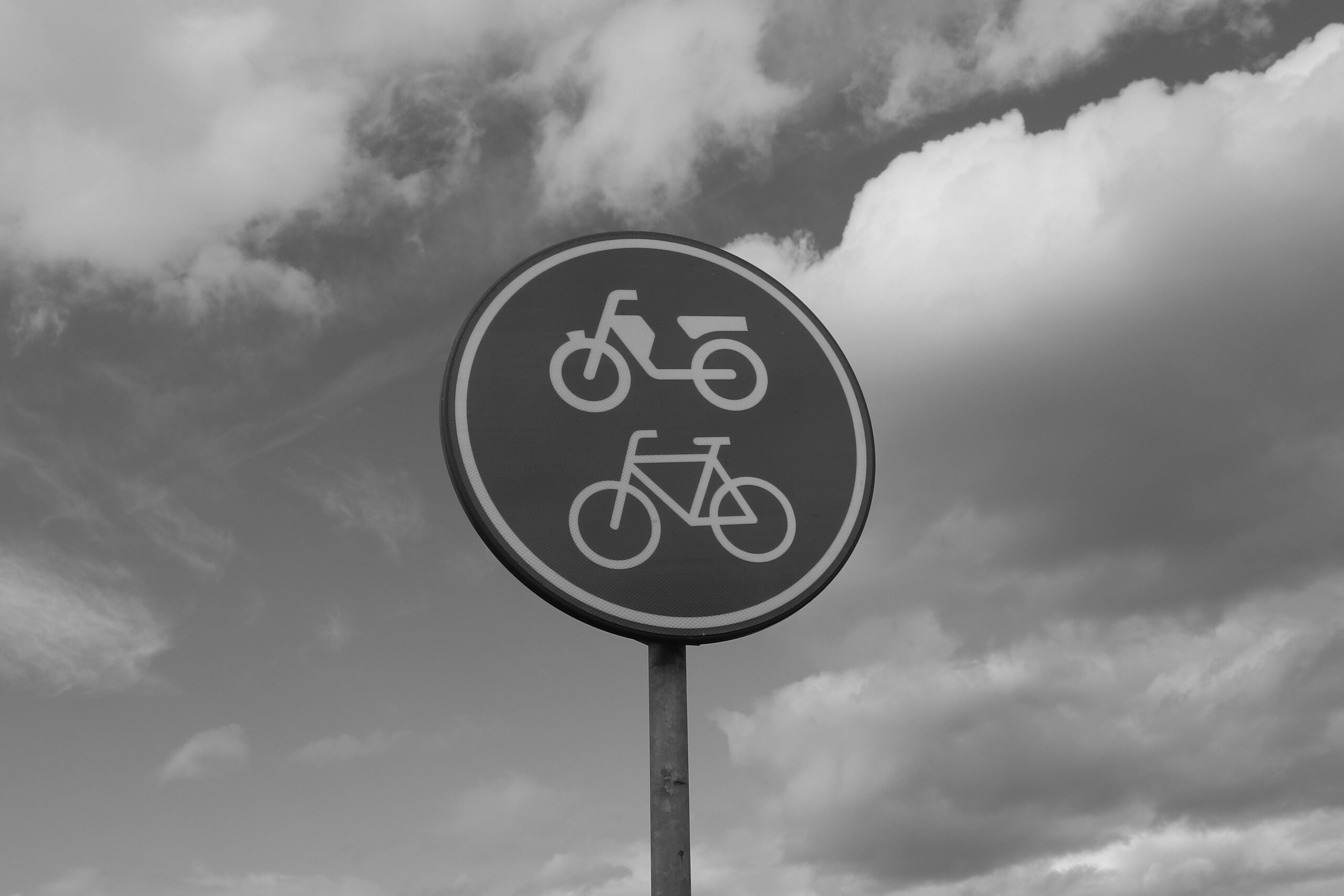
Circular signs generally convey regulatory information or prohibitions in many countries. The endless perimeter suggests continuity and absolute rules, making circles ideal for speed limits, parking restrictions, and other mandatory regulations that admit no exceptions.
Rectangular and square signs predominantly provide guidance, information, or supplementary details. These stable, balanced shapes don’t trigger urgency responses, making them perfect for directional information, distance markers, and supplemental explanations that drivers process with less time pressure.
📊 Classification Systems: Breaking Down Sign Categories
Traffic management authorities organize signs into distinct functional categories, each serving specific communication purposes within the broader road safety ecosystem. Understanding these classifications helps drivers anticipate what type of information or instruction they’re about to receive.
Regulatory Signs
Regulatory signs communicate laws and regulations that drivers must follow by legal requirement. These signs carry the force of traffic law, and violating their instructions can result in citations, fines, or more serious legal consequences. Stop signs, speed limit postings, one-way indicators, and no-parking zones all fall into this category.
The authority behind regulatory signs means their design emphasizes clarity and unmistakable meaning. Most feature simple, bold graphics with minimal text, ensuring comprehension even during brief glances. Their placement follows strict guidelines regarding visibility distance, height, and positioning relative to the regulated area.
Warning Signs
Warning signs alert drivers to upcoming hazards, changes in road conditions, or situations requiring increased caution. Unlike regulatory signs that command specific actions, warning signs prepare drivers to respond appropriately to conditions they’ll soon encounter. Curve ahead warnings, pedestrian crossing alerts, and animal crossing indicators exemplify this category.
These signs typically appear at calculated distances before the hazard, giving drivers adequate time to reduce speed, increase attention, or prepare for evasive action. The placement distance varies based on typical traffic speeds, with highway warnings appearing much farther in advance than residential area warnings.
Guide and Information Signs
Guide signs help drivers navigate to destinations, understand distances, and locate services without creating regulatory obligations. Highway exit information, distance markers, route numbers, and service indicators like gas stations or hospitals belong to this category. These signs facilitate efficient travel rather than enforce rules.
Because drivers often need to process complex information from guide signs, they typically feature larger formats with more extensive text. Highway guide signs may appear in series, providing progressive information as drivers approach decision points like exits or interchanges.
🌍 International Standardization Efforts
The Vienna Convention on Road Signs and Signals, established in 1968, created a framework for international standardization of traffic control devices. This treaty aimed to enable drivers to navigate foreign countries safely by ensuring consistent sign meanings across borders. Over 70 countries have ratified this convention, creating remarkable uniformity across Europe, Asia, and beyond.
However, significant variations still exist, particularly between countries following the Vienna Convention and those like the United States that developed independent systems. American traffic signs evolved from the Manual on Uniform Traffic Control Devices (MUTCD), which prioritizes text-based communication more heavily than the symbol-focused Vienna system.
Despite these differences, core concepts remain consistent worldwide. Red universally means stop or prohibition, triangles signal warnings, and basic safety priorities transcend specific design systems. International drivers benefit from studying both major systems before traveling, but the fundamental logic underlying traffic signs proves remarkably transferable.
🧠 Cognitive Processing and Driver Response
Understanding how your brain processes traffic signs reveals why their design elements matter so profoundly. When driving, your visual system constantly scans the environment, with attention drawn to movement, contrast, and familiar patterns. Traffic signs exploit these natural attention mechanisms through strategic color choices, reflective materials, and standardized positioning.
Research indicates that drivers process sign shape and color before text or symbols, typically within 0.5 seconds of the sign entering peripheral vision. This pre-attentive processing explains why shape and color standardization proves so critical—your brain categorizes the sign type before you consciously focus on specific details.
Symbol-based signs generally communicate faster than text-based ones, particularly for drivers unfamiliar with the local language. A crossed-out cigarette requires no translation, while “No Smoking” demands language comprehension. This advantage has driven the international trend toward pictographic signs, though text supplements remain common for complex information.
The placement height and distance of signs follows calculations based on reaction time, decision-making requirements, and vehicle stopping distances at various speeds. Highway signs appear earlier because drivers traveling at 65 mph cover approximately 95 feet per second, requiring substantial advance notice for safe maneuvering.
🔧 Materials and Technology Behind Modern Signs
Contemporary traffic signs incorporate sophisticated materials engineered for durability, visibility, and weather resistance. Retroreflective sheeting represents perhaps the most critical technological component, allowing signs to shine brightly when vehicle headlights strike them, even though the signs contain no power source.
Retroreflective technology works through microscopic glass beads or prismatic structures that bounce light back toward its source. When your headlights illuminate a stop sign at night, the retroreflective coating returns that light directly to your eyes, making the sign appear to glow. Different grades of retroreflective material suit different applications, with high-intensity options reserved for critical signs or high-speed areas.
Substrate materials have evolved from wood to steel, aluminum, and advanced composites. Modern aluminum signs offer excellent durability-to-weight ratios, resist corrosion, and maintain structural integrity through decades of weather exposure. Some municipalities now experiment with recycled plastic composites that promise even longer service lives with reduced environmental impact.
Digital and smart signs represent the cutting edge of traffic control technology. Variable message signs can change displayed information based on time, traffic conditions, or emergencies. Some experimental systems incorporate sensors that adjust warning intensity based on detected vehicle speeds or weather conditions, creating responsive rather than static traffic control.
📍 Strategic Placement and Visibility Considerations
Where signs appear matters as much as what they communicate. Traffic engineers follow detailed specifications regarding placement height, lateral offset from roadways, and distance from controlled areas. These seemingly minor details significantly impact driver response times and overall safety effectiveness.
Vertical placement typically positions signs at eye level for seated drivers, generally between 5 and 7 feet above the road surface. This height ensures visibility without requiring awkward viewing angles that might distract from forward attention. In areas with heavy pedestrian traffic, lower mounting may accommodate pedestrian sightlines while remaining visible to drivers.
Lateral positioning considers multiple factors including shoulder width, clear zones for errant vehicles, and sightline obstructions. Signs must remain visible to approaching drivers while not creating roadside hazards themselves. Breakaway posts have become standard, allowing signs to yield rather than causing severe damage if struck by vehicles.
Longitudinal placement—how far before an intersection, hazard, or regulated area signs appear—follows formulas incorporating typical speeds, required reaction times, and decision complexity. Simple regulatory signs may appear just before the controlled area, while complex navigation decisions require series of advance signs providing progressive information.
⚖️ Legal Framework and Enforcement
Traffic signs carry legal weight, transforming road markings into enforceable law. When properly installed according to jurisdictional standards, signs create legally binding requirements that drivers must follow. This legal status means sign specifications, installation procedures, and maintenance standards follow rigorous governmental oversight.
For a traffic sign to support legal enforcement, it must meet specific criteria regarding legibility, placement, and compliance with official manuals. A faded, obscured, or improperly positioned sign may not provide sufficient legal basis for citations, creating a maintenance imperative for traffic authorities. Courts have occasionally dismissed tickets when signs failed to meet visibility or placement standards.
The regulatory framework varies by jurisdiction, with different authorities governing interstate highways, state roads, county routes, and municipal streets. Despite this complexity, most jurisdictions adopt or adapt the MUTCD in the United States or Vienna Convention standards internationally, creating substantial consistency within broader systems.
🚸 Special Categories: School Zones and Work Zones
Certain situations demand heightened traffic control, leading to specialized sign categories with distinctive characteristics. School zones and construction areas exemplify contexts where standard traffic patterns require modification to protect vulnerable populations or workers.
School zone signs typically feature fluorescent yellow-green backgrounds, a color specifically chosen for maximum visibility and distinct differentiation from standard warning yellow. These signs may include time restrictions, variable speed limits, or flashing beacons that activate during school hours. The enhanced visibility reflects society’s prioritization of child safety around educational facilities.
Work zone signs employ orange coloring to clearly distinguish temporary conditions from permanent road features. Construction zones create constantly changing hazards, requiring flexible traffic control that can adapt as work progresses. Temporary signs must meet the same visibility and clarity standards as permanent installations despite their short-term nature and frequent repositioning.
🔄 Evolution and Future Developments
Traffic sign systems continue evolving as transportation technology advances. Connected vehicle technology promises future scenarios where digital signs communicate directly with vehicles, potentially displaying personalized information on dashboard screens rather than requiring physical roadside installation for every message.
Augmented reality heads-up displays could overlay navigation information directly onto windshields, potentially reducing reliance on physical signage for guidance functions. However, regulatory signs likely remain physical installations for the foreseeable future, as their legal status requires tangible, verifiable presence that digital systems couldn’t easily replicate with current technology.
Environmental considerations drive exploration of solar-powered illuminated signs, reducing maintenance requirements while improving visibility. Some jurisdictions experiment with signs incorporating air quality sensors, displaying real-time pollution levels alongside traditional traffic information.
Adaptive signs that change speed limits based on weather conditions, traffic density, or accident risks represent another emerging category. These intelligent systems aim to optimize safety and traffic flow dynamically rather than relying on static rules that may not suit all conditions equally well.
✅ Maintenance and Lifecycle Management
Effective traffic sign systems require ongoing maintenance to preserve visibility and legal enforceability. Environmental exposure gradually degrades retroreflective coatings, fades colors, and corrodes structural supports. Transportation departments maintain inspection schedules to identify signs requiring cleaning, repair, or replacement before deterioration compromises functionality.
Retroreflectivity standards establish minimum performance levels that signs must maintain throughout their service lives. When reflectivity falls below specified thresholds, replacement becomes mandatory even if the sign appears visually intact during daytime. Specialized equipment measures retroreflective performance, enabling objective assessment rather than subjective visual inspection.
Typical sign lifespans range from 7 to 12 years depending on material quality, environmental exposure, and maintenance practices. High-traffic urban areas may require more frequent replacement due to vandalism and pollution, while rural signs often exceed expected lifespans when protected from severe weather and physical damage.
🎓 Driver Education and Sign Literacy
Understanding traffic signs requires education that begins with initial driver licensing and continues throughout driving careers. License examinations universally include sign recognition components, testing candidates’ ability to identify and interpret common regulatory, warning, and guide signs.
However, sign systems periodically introduce new symbols or modify existing ones to address emerging safety needs or improve clarity. Ongoing driver education helps ensure road users recognize these updates. Some jurisdictions now require periodic knowledge testing for license renewal, partly to verify continued sign literacy.
International travel creates particular educational challenges, as drivers must quickly adapt to unfamiliar sign systems. Rental car agencies in tourist-heavy areas increasingly provide orientation materials explaining local sign meanings, recognizing that confused drivers pose safety risks to themselves and others.
🌟 The Impact on Road Safety
Properly designed and maintained traffic sign systems demonstrably reduce accidents, injuries, and fatalities. Studies consistently show that clear, visible, well-placed signs improve driver compliance with speed limits, reduce intersection conflicts, and decrease crashes in hazardous areas.
The economic value of effective traffic control extends beyond accident prevention. Efficient guide signs reduce travel times, minimize fuel consumption from wrong turns, and decrease frustration that contributes to aggressive driving. These benefits compound across millions of daily trips, creating substantial societal value from relatively modest infrastructure investments.
As autonomous vehicles become more prevalent, traffic signs may serve dual audiences—human drivers and machine vision systems. This transition could enable new sign technologies while maintaining backward compatibility with human-operated vehicles during the long transition period before full automation becomes universal.
Traffic signs represent a remarkable achievement in visual communication, distilling complex regulatory, warning, and guidance information into instantly recognizable symbols and colors. Their effectiveness depends on international cooperation, scientific research into human perception, engineering expertise, and consistent maintenance. By understanding how these silent sentinels function, drivers become more aware, responsive, and safe participants in the transportation system that connects our modern world.
