
Anúncios
Creating a signature style doesn’t require endless shopping or daily outfit stress. The outfit uniform strategy transforms your wardrobe into a streamlined, efficient system that reflects your personal aesthetic while simplifying your morning routine.
🎯 Understanding the Power of Outfit Uniforms
An outfit uniform isn’t about wearing identical clothing every day—it’s about establishing a personal style formula that works consistently. Think of Steve Jobs with his black turtleneck or Anna Wintour with her printed dresses and sunglasses. These fashion-forward individuals understood that reducing decision fatigue through intentional wardrobe choices creates space for more important decisions throughout the day.
The concept gained popularity among minimalists and busy professionals who recognized that a carefully curated wardrobe could deliver both style and practicality. By identifying your go-to combinations and investing in quality pieces that align with your lifestyle, you create a foundation for effortless dressing that never compromises on sophistication.
✨ Identifying Your Personal Style DNA
Before building your outfit uniform, you need clarity on what actually works for your body, lifestyle, and aesthetic preferences. Start by examining your current wardrobe with critical eyes. Pull out the pieces you reach for repeatedly—these items are already telling you something important about your style preferences.
Consider the environments where you spend most of your time. Corporate offices demand different uniform strategies than creative studios or remote work setups. Your outfit uniform should reflect your reality, not an aspirational lifestyle that doesn’t match your daily activities.
Analyzing Your Lifestyle Requirements
Document a typical week in your life. How many days do you need professional attire? When do you exercise? What social occasions regularly appear on your calendar? This practical assessment prevents the common mistake of building a wardrobe for an imaginary life rather than the one you’re actually living.
Temperature fluctuations, commuting methods, and physical activities all influence your uniform choices. Someone who walks fifteen minutes to the subway needs different considerations than someone who drives directly to an office parking garage.
🔍 The Anatomy of an Effective Outfit Uniform
Successful outfit uniforms share common structural elements that create versatility without complexity. The foundation typically includes neutral base pieces that pair effortlessly, complemented by strategic accent items that add personality and visual interest.
Your uniform should consist of approximately three to five outfit formulas that you can rotate throughout the week. This provides enough variety to avoid monotony while maintaining the simplicity that makes the system work. Each formula should follow a consistent pattern that you can execute without extensive thought.
Building Your Base Layer Strategy
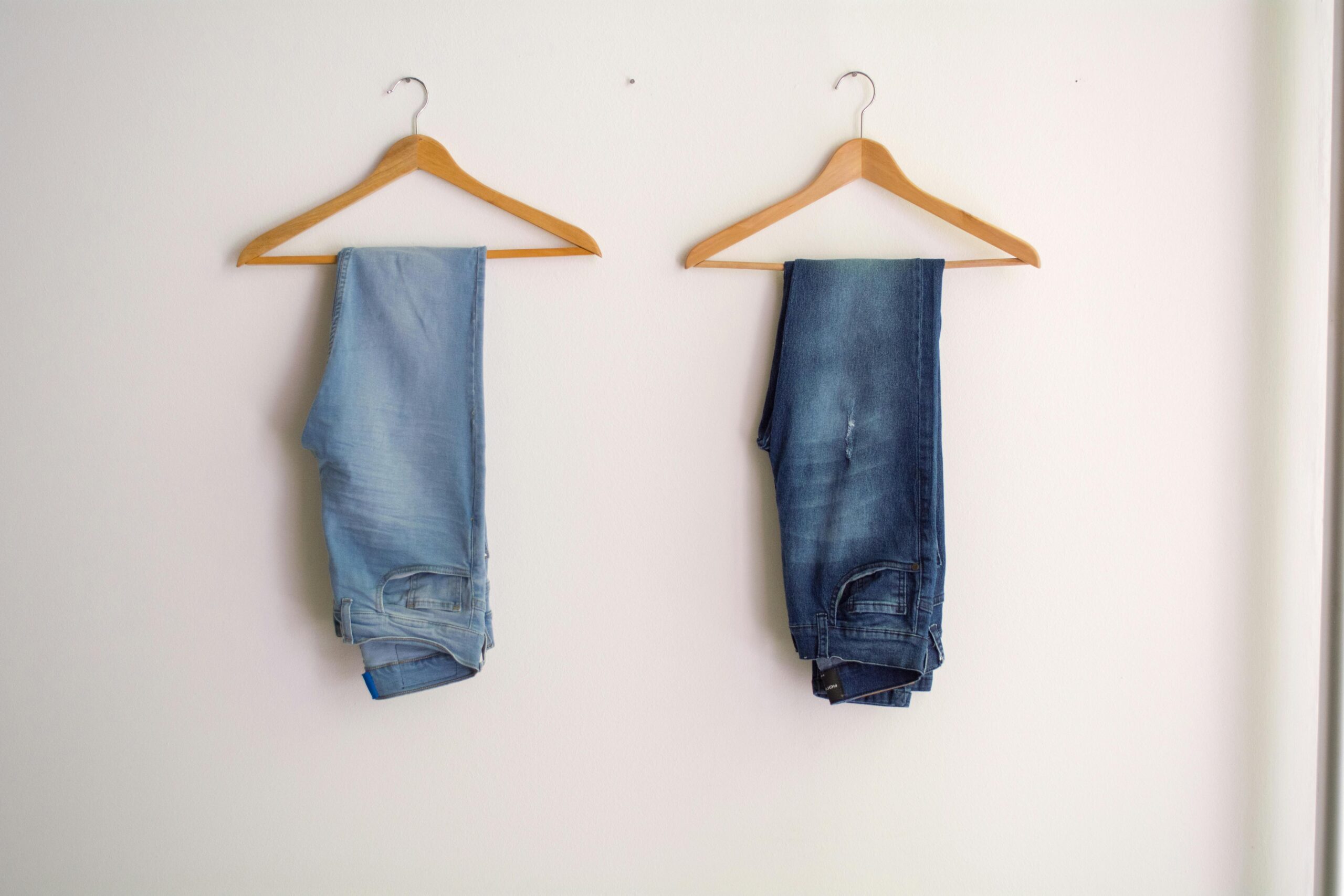
Base layers form the foundation of every outfit uniform. These pieces should be high-quality, well-fitting essentials in neutral colors that complement your skin tone. Think tailored trousers, well-cut jeans, simple tees, classic button-downs, and versatile blazers.
Invest more budget in these foundational pieces since they’ll receive frequent wear. Quality fabrics resist pilling, maintain their shape, and look polished even after multiple washes. A perfect-fitting white tee or impeccably tailored black pants justifies premium pricing through cost-per-wear calculations.
Selecting Your Signature Silhouettes
Identify two or three silhouettes that flatter your body type and align with your aesthetic. Perhaps you favor relaxed-fit trousers with tucked tops, or maybe structured blazers over fitted bottoms define your look. These recurring silhouettes become your visual signature.
Repeat these proportions across different pieces to maintain consistency. If you love the balance of wide-leg pants with fitted tops, replicate this formula in various colors and fabrics rather than constantly experimenting with new proportions.
💎 Quality Over Quantity: The Investment Approach
The outfit uniform philosophy fundamentally challenges fast fashion’s volume-based approach. Instead of owning fifty mediocre items, you’re building a collection of perhaps thirty exceptional pieces that work together seamlessly.
This shift requires recalibrating your purchasing mindset. A $200 pair of trousers might initially seem extravagant, but when worn twice weekly for three years, the cost-per-wear drops to approximately $1.30. Compare this to $40 pants that lose their shape after six months, requiring replacement twice yearly.
Fabric Quality Matters
Natural fibers like cotton, wool, silk, and linen generally outlast synthetic alternatives while looking more sophisticated. They breathe better, resist odors, and develop character rather than deteriorating with age. Learn to recognize quality construction—reinforced seams, proper linings, and substantial buttons signal garments built to last.
Touch fabrics before purchasing. Quality materials feel substantial without being heavy, with a smooth texture that indicates tight weaving. Avoid anything that feels scratchy, excessively thin, or synthetic unless specifically appropriate for technical athletic wear.
🎨 Color Strategy for Maximum Versatility
A cohesive color palette multiplies your outfit combinations exponentially. When every piece coordinates with others, getting dressed becomes effortless. Most successful outfit uniforms revolve around two or three neutral colors supplemented by one or two accent colors.
Popular neutral combinations include black and white, navy and cream, grey and tan, or camel and charcoal. These pairings work universally and suit professional environments while remaining stylish for casual settings.
Adding Strategic Color Accents
Once your neutral foundation is established, introduce one or two colors that complement your complexion and express personality. These accent colors appear in secondary pieces like sweaters, accessories, or lighter-rotation items rather than core basics.
Consider seasonal variations if desired, but maintain your core palette year-round. You might add deeper burgundy or forest green in autumn while incorporating lighter blues or soft pinks during spring, always returning to your neutral foundation.
👗 Seasonal Adaptations Without Wardrobe Overhaul
Effective outfit uniforms transition smoothly between seasons through strategic layering rather than complete wardrobe changes. This approach reduces storage needs and shopping requirements while maintaining style consistency.
Invest in transitional pieces that bridge temperature gaps—lightweight cardigans, versatile jackets, and scarves extend the seasonless potential of your core items. A summer dress becomes autumn-appropriate with tights, boots, and a blazer without requiring separate seasonal wardrobes.
The Layering System
Master the art of layering by understanding which pieces work together. Thin merino sweaters layer under blazers for warmth without bulk. Silk camisoles extend the season of summer dresses. Lightweight scarves add polish while providing temperature regulation.
Keep layers within your established color palette so they integrate seamlessly. A grey cashmere crewneck should layer effortlessly over your white tees and under your navy blazer, creating new outfit variations from existing pieces.
👠 Accessorizing Your Uniform for Impact
Accessories elevate simple uniforms from basic to sophisticated. A minimalist wardrobe actually demands thoughtful accessorizing—when your clothing is intentionally understated, accessories provide the visual interest and personal expression.
Establish an accessory uniform alongside your clothing strategy. Perhaps you always wear delicate gold jewelry, or maybe structured leather goods define your look. Consistency in accessories strengthens your overall aesthetic while simplifying daily choices.
The Essential Accessory Collection
Build your accessory wardrobe around versatile classics: a quality leather belt, timeless watch, simple jewelry pieces, and one statement accessory that reflects personality. These items should complement rather than compete with your outfit uniform.
Shoes deserve special attention as they significantly impact outfit cohesion. Identify three or four styles that work with your uniform—perhaps ankle boots, white sneakers, loafers, and one dressier option. Ensure all footwear coordinates with your color palette and lifestyle needs.
📋 Creating Your Personal Outfit Formulas
Document your outfit formulas explicitly to remove morning guesswork. Write them down or photograph combinations that work. This reference becomes invaluable during rushed mornings or travel packing.
A typical formula might read: “Dark straight-leg jeans + white tee + camel blazer + ankle boots + gold jewelry” or “Black trousers + silk blouse + pointed flats + structured bag.” These specific combinations eliminate decision-making while guaranteeing polished results.
Formula Variations for Different Occasions
Develop separate formulas for different contexts—professional meetings, casual weekends, evening events. Each category needs only two or three reliable combinations rather than endless options. This structure provides appropriate outfit solutions without overwhelming choices.
Weekend formulas might emphasize comfort while maintaining polish: “Grey joggers + crisp white shirt + sneakers + minimal jewelry.” Evening formulas could elevate basics through fabric choices: “Black silk trousers + cashmere sweater + heeled boots + statement earrings.”
🧹 Maintaining Your Streamlined Wardrobe
A successful outfit uniform requires ongoing curation. Conduct seasonal reviews to remove items that no longer serve your formulas. Be ruthless about pieces that don’t integrate smoothly—they create clutter and decision fatigue.
Implement the one-in-one-out rule for clothing purchases. When adding a new item, remove something existing. This discipline prevents wardrobe creep and ensures every piece earns its place through regular wear.
Proper Care Extends Garment Longevity
Quality pieces justify their cost through extended lifespans, but only with proper care. Follow washing instructions, store items appropriately, and address repairs promptly. A loose button or small tear remedied immediately prevents major damage.
Invest in quality hangers that maintain garment shape. Store knits folded rather than hung to prevent stretching. Use garment bags for special pieces and ensure adequate closet ventilation to prevent mustiness.
💪 Overcoming Common Uniform Challenges
Many people resist outfit uniforms, fearing boredom or lack of creativity. These concerns typically dissolve once you experience the freedom that comes from effortless daily dressing. The creativity shifts from daily outfit assembly to intentional wardrobe curation—a more satisfying expression of style.
If monotony becomes an issue, you’ve likely created too rigid a system. Ensure your formulas include enough variation through different textures, subtle color shifts, or accessory changes. The uniform provides structure, not imprisonment.
Handling Special Occasions
Special events don’t require abandoning your uniform approach. Instead, create elevated versions of your formulas using luxe fabrics or dressier silhouettes within your established aesthetic. A wedding might call for your signature silhouette in silk rather than cotton, maintaining consistency while acknowledging the occasion.
Keep one or two special-occasion outfits that extend your uniform principles rather than contradicting them. These pieces should still reflect your personal style DNA while meeting formal requirements.
🌱 The Sustainable Side of Outfit Uniforms
The environmental benefits of outfit uniforms align perfectly with growing sustainability awareness. By purchasing fewer, higher-quality items worn frequently, you dramatically reduce fashion’s environmental impact. This approach contradicts the disposable fashion model that fills landfills and depletes resources.
Quality garments made from natural fibers biodegrade more readily than synthetic fast fashion. Your investment in timeless pieces rather than trend-driven purchases reduces demand for resource-intensive manufacturing cycles.
Mindful Consumption Practices
Before purchasing anything new, assess whether it integrates with existing formulas. This pause prevents impulse buying and ensures additions serve genuine wardrobe needs. Ask yourself: “Does this work with at least three items I already own? Does it fit my established formulas?”
Consider secondhand sources for uniform building. Vintage and consignment shops often stock quality basics at accessible prices. Since you’re seeking classic pieces rather than current trends, pre-owned options work beautifully.
🚀 Implementing Your Uniform Strategy Successfully
Transitioning to an outfit uniform requires patience and experimentation. Start by identifying your most successful current outfits, then analyze why they work. Break down these combinations into repeatable formulas you can replicate with different pieces.
Gradually build your uniform wardrobe rather than attempting overnight transformation. Replace items as needed with pieces that better serve your formulas. This gradual approach feels manageable financially and emotionally, avoiding the overwhelm of complete wardrobe overhaul.
Testing and Refining Your Formulas
Wear your formulas for several weeks before committing fully. Notice which combinations you genuinely reach for versus those that sound good theoretically but don’t work practically. Adjust based on real-world experience rather than aspirational thinking.
Pay attention to comfort, ease of care, and how you feel wearing each formula. The perfect outfit uniform makes you feel confident and comfortable, never constrained or costumed. If something doesn’t feel authentically you, refine until it does.
✅ Your Streamlined Style Journey Begins Now
Mastering effortless style through outfit uniforms liberates mental energy for pursuits more meaningful than daily wardrobe deliberation. This approach honors both your time and personal aesthetic, creating a sustainable system that evolves with you rather than demanding constant reinvention.
The journey toward a chic, streamlined wardrobe isn’t about restriction—it’s about intentionality. By identifying what truly works for your body, lifestyle, and aesthetic preferences, then building a cohesive collection around those insights, you create genuine personal style that requires minimal daily effort.
Start today by auditing your current wardrobe. Identify pieces you love and wear repeatedly, then analyze what makes them work. These insights form the foundation of your outfit uniform strategy, guiding future purchases and eliminations. Your signature style awaits—simplified, sophisticated, and uniquely yours.
