
Anúncios
Neutral tones have become the cornerstone of contemporary interior design, offering a sophisticated canvas that adapts to any lifestyle while maintaining timeless appeal and unmatched versatility.
🎨 The Enduring Power of Neutral Palettes in Modern Design
The beauty of neutral colors lies in their ability to create spaces that feel both complete and unfinished—ready to evolve with your changing tastes and life circumstances. Unlike bold color statements that can quickly feel dated, neutral shades provide a foundation that withstands the test of time. These versatile hues range from warm creams and soft taupes to cool grays and elegant whites, each bringing its own character while maintaining the subtle sophistication that defines modern elegance.
Interior designers worldwide have embraced neutral palettes not as a safe choice, but as a strategic decision that maximizes flexibility and longevity. When you invest in neutral foundations, you’re creating a space that can transform through accessories, textiles, and artwork without requiring major renovations. This approach proves both economically smart and environmentally conscious, reducing the need for frequent redecorating cycles.
Understanding the Neutral Color Spectrum
Neutrals encompass far more than basic beige and white. The neutral family includes an impressive range of sophisticated shades that each bring distinct qualities to your space. Warm neutrals like caramel, honey, and sand create inviting atmospheres that feel cozy and grounding. Cool neutrals such as dove gray, silver, and alabaster offer crisp, clean aesthetics that promote clarity and calm.
The key to mastering neutral design lies in understanding undertones. Every neutral shade carries subtle hints of color—whether yellow, pink, blue, or green—that become apparent when placed alongside other colors or in different lighting conditions. Recognizing these undertones allows you to create harmonious combinations that feel intentional rather than haphazard.
Warm Versus Cool: Choosing Your Direction
Selecting between warm and cool neutrals depends largely on your space’s natural light, existing architectural features, and the mood you wish to create. Rooms with abundant natural light can handle cooler neutrals without feeling sterile, while spaces with limited daylight benefit from warmer tones that add perceived warmth and dimension.
Consider your climate and personal preferences when making this decision. Those living in warmer regions often gravitate toward cooler neutrals that provide psychological relief, while cooler climates typically call for warmer neutrals that create comforting sanctuaries. However, these aren’t rigid rules—your personal comfort and aesthetic vision should ultimately guide your choices.
Building Layers: The Foundation of Neutral Excellence
Successful neutral spaces rely on layering different shades, textures, and materials to create depth and visual interest. A monochromatic neutral room doesn’t mean using a single shade throughout; instead, it requires carefully graduated tones that provide subtle contrast while maintaining overall harmony.
Start with your largest surfaces—walls, flooring, and ceiling—establishing your base neutral tone. From there, introduce progressively darker or lighter shades through furniture, window treatments, and architectural details. This graduated approach creates dimension without disrupting the cohesive neutral aesthetic you’re cultivating.
Texture: The Secret Ingredient
When working within a limited color palette, texture becomes your most powerful design tool. Mixing smooth and rough, matte and glossy, soft and hard surfaces adds complexity that keeps neutral spaces from feeling flat or boring. Consider incorporating linen upholstery, wool rugs, silk pillows, leather accents, natural wood, polished stone, and woven baskets to create tactile variety.
Each texture catches and reflects light differently, creating shadows and highlights that add movement and life to your space. A cream-colored room featuring velvet cushions, a jute rug, marble surfaces, and raw wood furniture offers far more visual interest than the same room with uniform textures, despite using nearly identical colors.
Strategic Accent Integration ✨
While neutral palettes form your foundation, strategic accent colors prevent spaces from feeling too restrained. The beauty of neutral backgrounds is their ability to showcase accent colors without competition or clash. You can introduce seasonal colors, follow current trends, or express personal preferences through easily changeable elements like throw pillows, artwork, plants, and decorative objects.
The 80-20 rule works beautifully with neutral design: maintain approximately 80% neutral tones while allowing 20% for accent colors and bolder statements. This proportion ensures your space remains grounded and sophisticated while incorporating personality and visual interest.
Metallic Accents: Elevating Neutral Sophistication
Metallic finishes serve as perfect companions to neutral palettes, adding glamour and refinement without introducing actual color. Gold, brass, and copper bring warmth and richness to neutral spaces, while silver, chrome, and nickel offer contemporary coolness. Bronze and aged metals provide earthy, organic qualities that bridge warm and cool neutrals beautifully.
Distribute metallic accents throughout your space rather than concentrating them in one area. Light fixtures, hardware, mirror frames, decorative objects, and furniture legs all provide opportunities to incorporate these elevated touches that catch light and add subtle sparkle to neutral environments.
Room-by-Room Neutral Applications
Different spaces within your home serve distinct functions and benefit from tailored approaches to neutral design. Understanding how to adapt neutral palettes to various rooms ensures cohesive flow while respecting each space’s unique purpose and atmosphere.
Living Spaces: The Heart of Neutral Gathering
Living rooms and family spaces benefit from welcoming, comfortable neutral schemes that accommodate diverse activities and multiple users. Mid-tone neutrals work exceptionally well here, providing enough contrast to define furniture pieces while maintaining an open, airy feeling. Layer various shades through your sofa, chairs, curtains, and rug to create depth without overwhelming the space.
Consider durability alongside aesthetics in high-traffic areas. Performance fabrics in neutral tones offer practical beauty, resisting stains and wear while maintaining the sophisticated appearance you desire. These spaces also provide excellent opportunities for introducing natural materials like wood, stone, and plants that enhance your neutral foundation with organic textures.
Bedrooms: Neutral Serenity
Bedrooms thrive with softer, lighter neutrals that promote relaxation and restful sleep. Whites, creams, soft grays, and gentle taupes create calming environments free from visual stimulation. Layer different neutral tones through bedding, creating a luxurious, hotel-inspired aesthetic that feels both indulgent and peaceful.
Introduce warmth through wood furniture, woven textures, and soft lighting rather than color. This approach maintains the serene quality essential for sleep spaces while preventing coldness or sterility. Blackout curtains in complementary neutral tones serve both functional and aesthetic purposes, ensuring quality rest while contributing to your cohesive design scheme.
Kitchens: Timeless Neutral Functionality
Kitchen renovations represent significant investments, making neutral choices particularly wise for these hardworking spaces. White, gray, and greige cabinets provide timeless foundations that won’t feel dated as trends evolve. Natural stone countertops in neutral tones add organic beauty and practical durability that ages gracefully.
Introduce personality through easily changeable elements like bar stools, lighting fixtures, and decorative accessories rather than permanent installations. This strategy allows you to refresh your kitchen’s appearance without costly renovations, adapting to evolving tastes while maintaining your valuable neutral foundation.
Bathrooms: Spa-Like Neutral Retreats
Bathrooms transformed with neutral palettes evoke luxurious spa experiences, turning daily routines into rejuvenating rituals. White and light gray tiles create clean, bright environments that feel hygienic and fresh. Warm wood tones add organic warmth, preventing clinical coldness while introducing natural beauty.
Invest in quality materials and fixtures in neutral finishes that will remain stylish for decades. Marble, limestone, and porcelain in neutral tones provide enduring elegance, while matte black or brushed gold fixtures add contemporary sophistication that elevates your neutral foundation beyond basic.
The Psychology Behind Neutral Choices 🧠
Understanding why neutral colors resonate so deeply helps you harness their full potential. Psychologically, neutral environments reduce visual stress, allowing minds to rest and focus. Unlike saturated colors that demand attention and elicit specific emotional responses, neutrals provide calm backdrops that support rather than direct our emotional states.
This quality makes neutral spaces particularly valuable in our overstimulated modern world. Creating home environments that offer visual rest becomes increasingly important as we navigate information-dense, color-saturated digital landscapes throughout our days. Neutral homes provide necessary balance and sanctuary from external chaos.
Versatility Supporting Life Changes
Life evolves constantly—relationships form and change, families grow, careers shift, and personal tastes develop. Neutral foundations accommodate these transformations gracefully, requiring minimal adjustment as circumstances change. A nursery with neutral walls easily transitions to a teenager’s room through updated accessories rather than complete redesigns.
This adaptability extends to resale value as well. Properties featuring neutral palettes appeal to broader audiences, allowing potential buyers to envision their own lives within the space rather than working against strong personal color statements from previous owners.
Avoiding Common Neutral Pitfalls
While neutral design offers numerous advantages, certain mistakes can undermine its effectiveness. Understanding these common pitfalls helps you navigate neutral territory successfully, creating spaces that feel intentionally sophisticated rather than accidentally bland.
The Flat, One-Note Syndrome
The most frequent neutral mistake involves using insufficient tonal variation. Rooms painted entirely in single shades of beige or gray lack the dimensional interest that makes neutral spaces compelling. Combat this by incorporating at least five different neutral tones throughout your space, ranging from light to medium to dark values.
Pay attention to sheens and finishes as well. Matte, satin, and glossy finishes of the same color create subtle variations that add complexity without introducing new colors. This technique works particularly well with paint, allowing you to use different finishes on walls, trim, and ceilings while maintaining color consistency.
Neglecting Warm-Cool Balance
Committing too heavily to either warm or cool neutrals without balancing touches creates spaces that feel either too sterile or overly yellow. Even predominantly cool schemes benefit from warm wood tones or brass accents, while warm neutral rooms gain sophistication from strategic cool gray or black elements.
Test your color combinations in your actual space before committing. Paint large swatches on different walls and observe them throughout the day as natural light changes. What appears perfectly neutral in morning light might reveal unexpected undertones by afternoon or evening.
Sustainable Neutral Design Practices ♻️
Embracing neutral palettes aligns naturally with sustainable design principles. By creating timeless foundations rather than trend-driven statements, you reduce waste and consumption associated with frequent redecorating. Quality neutral pieces purchased once serve for decades, contrasting sharply with disposable fast-furniture designed for short-term trends.
Choose natural, sustainable materials in neutral tones whenever possible. Organic cotton, linen, wool, jute, bamboo, and responsibly sourced wood provide beautiful neutral textures while supporting environmental health. These materials often age beautifully, developing character rather than simply wearing out.
Investment Pieces Versus Trend Items
Structure your budget to invest significantly in permanent neutral elements like flooring, cabinetry, and major furniture pieces. These foundational items should represent the highest quality you can afford, as they’ll serve your space for many years. Reserve smaller budgets for trendy or colorful accessories that satisfy your desire for novelty without requiring major investments.
This approach allows you to participate in design trends through affordable, easily changeable elements while maintaining timeless, high-quality foundations. Your neutral sofa might serve you for fifteen years while pillow covers rotate seasonally, keeping your space fresh without financial or environmental waste.
Lighting: The Ultimate Neutral Transformer 💡
Lighting dramatically impacts how neutral colors appear and feel within your space. Natural daylight, warm incandescent bulbs, cool fluorescent lighting, and modern LEDs each render neutral tones differently. Understanding this relationship allows you to control your space’s atmosphere through strategic lighting design.
Layer different types of lighting—ambient, task, and accent—to create flexibility within your neutral environment. Dimmer switches provide invaluable control, allowing you to adjust atmosphere from bright and energizing to soft and relaxing. This versatility maximizes your neutral space’s functionality across different times of day and various activities.
Natural Light Considerations
Assess your space’s natural light carefully before selecting neutral shades. North-facing rooms receive cooler, more consistent light that can make some neutrals appear gray or dingy; these spaces often benefit from warmer neutral tones that compensate for cooler natural light. South-facing rooms flooded with warm sunlight can handle cooler neutrals without feeling cold.
East and west-facing rooms experience dramatic light changes throughout the day, shifting from warm morning or evening light to cooler midday illumination. Test your neutral selections at different times to ensure they remain appealing as natural light conditions change.
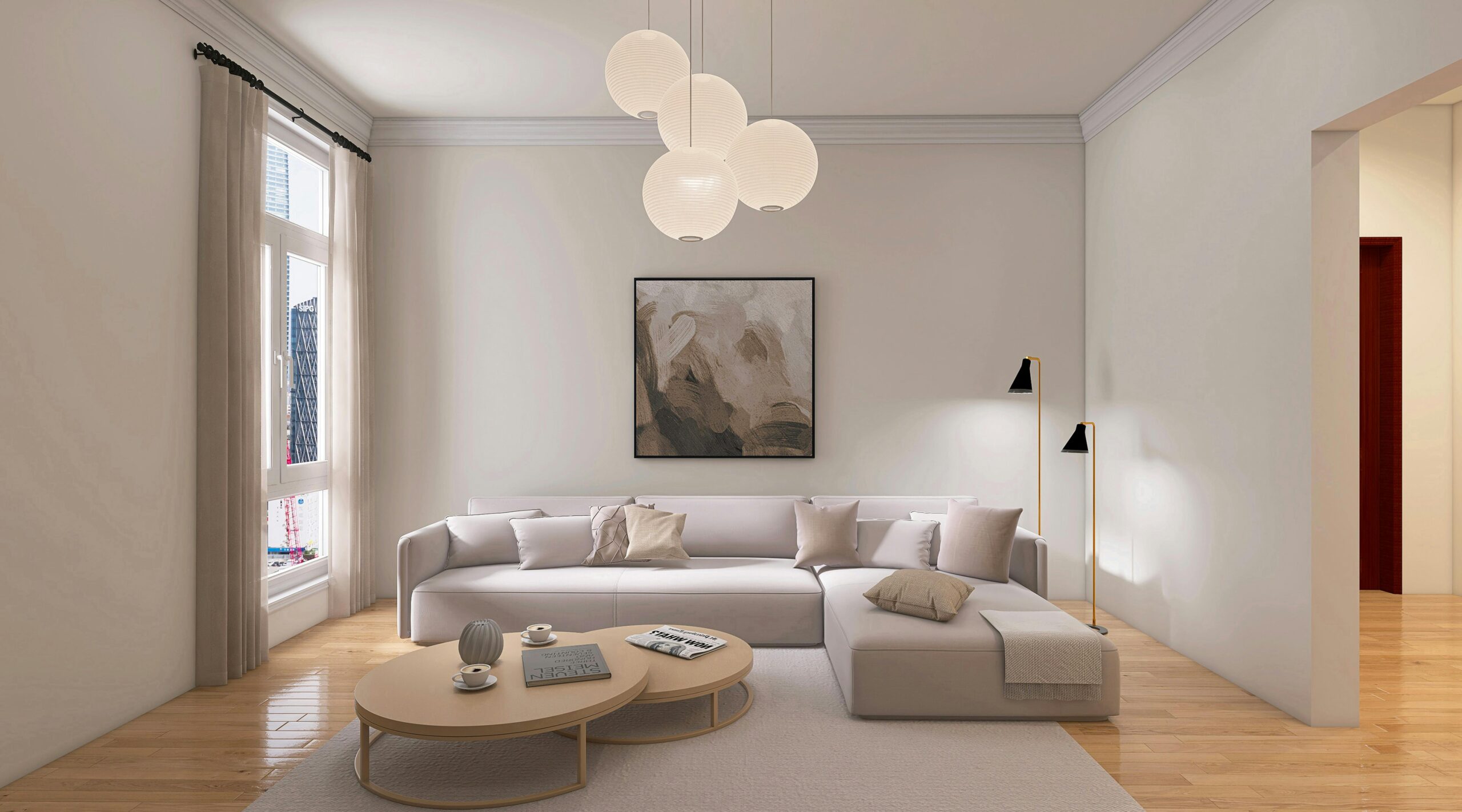
Bringing Your Neutral Vision to Life
Transforming your space with neutral sophistication requires planning, patience, and attention to detail. Begin by collecting inspiration images that resonate with your aesthetic preferences. Notice commonalities—are you drawn to warmer or cooler tones? Do you prefer high contrast between neutrals or subtle gradations? Understanding your instinctive preferences guides more confident decision-making.
Create a cohesive plan before making purchases or changes. Collect paint samples, fabric swatches, and material samples, arranging them together to ensure harmony. This preparation prevents costly mistakes and ensures all elements work together rather than competing for attention.
The Journey Toward Timeless Elegance
Remember that creating your ideal neutral space is a journey rather than an instant transformation. Allow your space to evolve gradually, adding pieces thoughtfully rather than rushing to complete everything immediately. This measured approach ensures each addition genuinely enhances your space rather than simply filling it.
Living with your neutral foundation for a period before adding accents helps you understand how the space functions and what it truly needs. You might discover that certain areas require additional warmth, specific zones need better lighting, or particular corners would benefit from textural contrast—insights that emerge only through daily experience.
Mastering neutral design opens endless possibilities for creating spaces that feel simultaneously current and timeless, personal yet universally appealing. These versatile shades define modern elegance precisely because they transcend fleeting trends, focusing instead on enduring principles of balance, quality, and sophisticated restraint. Your neutral space becomes not just a beautiful backdrop, but an active contributor to your daily well-being, supporting your life’s activities while providing the visual rest increasingly rare in our complex world. Embrace the transformative power of neutrals, and discover how these seemingly simple shades create homes of extraordinary depth, comfort, and lasting style.
