
Anúncios
In today’s digital era, your smartphone can replace traditional measuring tools with remarkable accuracy. Mobile measuring apps transform your device into a versatile digital tape measure, offering convenience and precision at your fingertips.


Gone are the days when you needed to carry multiple tools for quick measurements. Whether you’re shopping for furniture, planning a home renovation, or simply curious about dimensions, your smartphone equipped with the right app can deliver instant results. The technology behind these applications combines augmented reality, camera sensors, and advanced algorithms to provide measurements that rival traditional tape measures.
This transformation isn’t just about convenience—it’s about accessibility and efficiency. Professional contractors, interior designers, real estate agents, and everyday homeowners are discovering how mobile measuring apps streamline their workflows. With features ranging from simple length measurements to complex room mapping, these digital tools are revolutionizing how we interact with physical spaces. 📱
Understanding Smartphone Measurement Technology
Modern smartphones utilize sophisticated sensor arrays to measure distances and dimensions accurately. The core technology relies on augmented reality (AR) frameworks like Apple’s ARKit and Google’s ARCore, which use computer vision to understand three-dimensional space through your phone’s camera.
These systems work by identifying flat surfaces and tracking movement through space. When you point your camera at an object, the phone calculates depth using parallax—the difference in perspective between frames as you move your device. Advanced algorithms process this visual data alongside information from accelerometers, gyroscopes, and other sensors to generate precise measurements.
The accuracy typically ranges from 1-3% margin of error, which is remarkably close to traditional tape measures for most practical purposes. Environmental factors like lighting conditions and surface textures can influence precision, but continuous improvements in smartphone cameras and processing power have significantly enhanced measurement reliability.
Top Digital Measuring Applications Worth Downloading 🎯
The app marketplace offers numerous measuring solutions, each with unique features tailored to different needs. Apple’s native Measure app comes pre-installed on newer iPhones and provides straightforward measuring capabilities without additional downloads. It offers automatic detection of rectangular objects and can measure height, length, and area with simple tap-and-drag gestures.
For Android users, Google Measure (now integrated into some device cameras) delivers similar functionality with excellent accuracy on supported devices. The interface is clean and intuitive, making it perfect for beginners who want reliable measurements without complexity.
AR Ruler App stands out for its versatility, offering multiple measurement modes including distance, angle, area, volume, and even height measurement. The app includes a virtual ruler overlay, making it particularly useful for measuring smaller objects where precision matters most.
RoomScan Pro takes digital measuring to another level by mapping entire rooms. Simply touch your phone against walls, and the app automatically creates floor plans with dimensions. This makes it invaluable for real estate professionals, interior designers, and anyone planning renovations or furniture arrangements.
Practical Applications for Everyday Life
The utility of smartphone measuring apps extends far beyond professional use. When furniture shopping, you can quickly verify whether that couch will fit through your doorway or if the dining table matches your available space. No more guessing or making return trips to the store with incorrect measurements! 🛋️
Home improvement projects become significantly easier when you can measure walls, windows, and spaces instantly. Planning to hang artwork? Measure the wall space and frame dimensions to ensure perfect placement before hammering any nails. Need to calculate how much paint or wallpaper to purchase? Measure room dimensions accurately to avoid buying too much or too little.
Travelers find these apps particularly handy for checking luggage dimensions against airline restrictions. Real estate agents use them during property showings to provide instant measurements to interested buyers. Parents can measure their growing children’s height against a wall, creating digital growth records without permanent markings.
Step-by-Step Guide to Measuring with Your Phone 📐
Getting started with smartphone measuring requires understanding a few fundamental techniques. First, ensure your chosen app has necessary permissions, particularly camera access and motion sensors. Good lighting is essential—measurements work best in well-lit environments where surfaces are clearly visible.
Begin by opening your measuring app and allowing it to scan the environment. Move your phone slowly in a sweeping motion to help the AR system detect surfaces and establish spatial awareness. You’ll typically see dots or a grid overlay indicating that the app has locked onto a measurable plane.
To measure a distance, tap the starting point on your screen, then slowly move your phone along the object or space you want to measure. A virtual line will extend showing the measurement in real-time. Tap the endpoint to lock in the final dimension. Most apps display measurements in both metric and imperial units, which you can toggle in settings.
For room measurements, start from one corner and work systematically around the space. Many apps allow you to save multiple measurements within a single project, making it easy to capture all dimensions needed for a comprehensive room layout.
Maximizing Measurement Accuracy and Precision
Achieving optimal accuracy requires understanding your app’s limitations and working within ideal conditions. Always calibrate your device when prompted—this process helps the phone’s sensors establish accurate baseline readings for measurement calculations.
Maintain steady hand movements during measurement. Quick, jerky motions confuse the tracking algorithms and result in inaccurate readings. If your app supports it, use a tripod or stabilize your phone against a steady surface for maximum precision.
Lighting plays a crucial role in measurement accuracy. Avoid measuring in dim conditions or extremely bright sunlight that creates harsh shadows. Indirect natural light or consistent artificial lighting produces the most reliable results. Reflective or transparent surfaces can confuse AR systems, so be cautious when measuring glass, mirrors, or highly polished materials.
For critical measurements where precision is paramount, take multiple readings and compare results. If measurements vary significantly between attempts, environmental factors may be affecting accuracy. Consider using a traditional tape measure as a backup for projects requiring absolute precision, such as custom furniture building or construction work. ✅
Advanced Features That Enhance Functionality
Modern measuring apps offer capabilities that extend well beyond basic length measurement. Object recognition features can automatically detect items like doors, windows, and furniture, providing instant dimensions without manual marking. This saves considerable time when documenting multiple items in a space.
Photo integration allows you to capture images with overlaid measurements, creating visual records that are invaluable for shopping, planning, or documentation purposes. You can share these annotated photos directly with contractors, designers, or family members, ensuring everyone works from the same information.
Area and volume calculations transform simple length measurements into practical data. Measure a room’s perimeter, and the app calculates total floor area—perfect for estimating flooring materials or rental space. Volume calculations help when determining storage capacity or shipping requirements for larger items.
Cloud synchronization and project management features in premium apps enable you to organize measurements into specific projects. This organizational structure is particularly valuable for professionals managing multiple job sites or homeowners coordinating various renovation projects simultaneously.
Comparing Digital Versus Traditional Measuring Tools ⚖️
Traditional tape measures remain unbeatable in certain scenarios, particularly in tight spaces or where tactile feedback is important. They require no batteries, work in any lighting condition, and provide immediate visual confirmation of measurements without screen interaction.
However, smartphone measuring apps excel in accessibility and convenience. You always have your phone with you, eliminating the need to remember bringing separate tools. They’re superior for measuring hard-to-reach places—you can measure ceiling height from the floor without ladders or assistance.
Digital apps also eliminate calculation errors. When measuring a room’s perimeter, the app automatically sums all sides, whereas manual measurement requires separate calculations with potential for arithmetic mistakes. The ability to save, organize, and share measurements digitally streamlines workflows in ways physical tools cannot match.
Cost represents another consideration. While professional-grade tape measures and laser distance meters can be expensive, most measuring apps are free or require minimal investment. This democratizes access to precision measuring tools for casual users who don’t need measurements frequently enough to justify purchasing dedicated equipment.
Industry-Specific Applications and Professional Use
Construction professionals increasingly adopt smartphone measuring apps for preliminary site assessments and quick field verifications. While they still rely on professional equipment for final measurements, mobile apps expedite initial planning phases and client consultations. The ability to generate instant floor plans or dimension reports improves communication with clients and team members.
Interior designers use these tools during client home visits to quickly capture room dimensions, window placements, and spatial relationships. This information feeds directly into design software, reducing time spent on manual data entry and minimizing measurement transcription errors. 🏗️
Real estate professionals find tremendous value in measurement apps during property listings and showings. Providing accurate room dimensions in listings increases buyer confidence and reduces unnecessary viewings from people whose furniture won’t fit the space. Virtual staging becomes more accurate when based on precise measurements rather than estimations.
Retail environments benefit from these technologies as well. Furniture and appliance stores can train sales staff to help customers verify dimensions on-site, reducing returns due to size miscalculations. This improves customer satisfaction while decreasing costly reverse logistics.
Troubleshooting Common Measurement Challenges
Even with advanced technology, users occasionally encounter measurement difficulties. If your app consistently provides inaccurate results, start by checking for software updates—developers regularly release improvements that enhance accuracy and fix bugs.
Surface detection problems often stem from insufficient texture or contrast. The AR system needs visual reference points to track movement and calculate distance. If measuring against a plain white wall proves difficult, try placing a visible marker or using edge detection features that focus on corners and transitions.
Device compatibility issues can limit functionality. Older smartphones may lack the necessary sensors or processing power for AR-based measurement. Check your app’s specifications to ensure your device meets minimum requirements. Sometimes, switching to a simpler app designed for older hardware provides better results than struggling with feature-rich applications your phone can’t fully support.
Calibration drift occurs when sensors gradually lose accuracy over time or after physical impacts. Regular recalibration through your app’s settings menu maintains optimal performance. If problems persist despite recalibration, your device’s sensors may require professional assessment or the phone might need replacement. 🔧
Privacy and Data Security Considerations
When using measuring apps, understanding data collection practices protects your privacy. Many apps request camera access, which is essential for AR functionality, but review what additional data they collect. Some applications store measurements in the cloud, which offers convenience but raises questions about data security and ownership.
Read privacy policies before granting permissions, especially for apps that integrate with social media or advertising networks. Free apps often monetize through data collection or targeted advertising, while paid versions typically offer stronger privacy protections and fewer third-party integrations.
For sensitive measurements related to security systems, valuables, or proprietary spaces, consider apps with local-only storage that don’t transmit data to external servers. This ensures your spatial information remains private and cannot be accessed by unauthorized parties or compromised through data breaches.
Future Developments in Mobile Measurement Technology 🚀
The trajectory of smartphone measuring technology points toward even greater accuracy and functionality. LiDAR sensors, already present in premium smartphones, use laser technology to create detailed 3D maps with millimeter precision. As this hardware becomes standard across more devices, measurement apps will achieve professional-grade accuracy accessible to everyone.
Artificial intelligence integration will enable automatic room recognition and intelligent measurement suggestions. Imagine pointing your phone at a space and receiving instant recommendations for furniture placement, optimal layouts, or renovation possibilities based on precise spatial analysis.
Cross-platform compatibility improvements will allow seamless integration between measuring apps and design software, building information modeling (BIM) systems, and e-commerce platforms. You’ll measure a space on your phone and instantly browse furniture that fits perfectly, visualized in your actual room through AR before purchase.
Machine learning algorithms will continuously improve measurement accuracy by learning from millions of user measurements, identifying patterns that indicate errors, and automatically applying corrections. This crowdsourced refinement will make smartphone measuring increasingly reliable across diverse environments and conditions.
Tips for Choosing the Right Measuring App
Selecting the ideal measuring app depends on your specific needs and device capabilities. Start by identifying your primary use case—simple occasional measurements require different features than professional architectural documentation. Free apps with basic functionality suffice for casual users, while professionals benefit from premium features like project management and export capabilities.
Check user reviews and ratings, paying particular attention to comments about accuracy and ease of use. Recent reviews matter most since app performance can change significantly with updates. Look for apps with responsive developers who actively address user concerns and regularly release improvements.
Test multiple apps if possible, as performance varies between devices and use cases. An app that works flawlessly on one smartphone model might struggle on another due to hardware differences. Most quality measuring apps offer free trials or lite versions, allowing you to evaluate functionality before committing to purchases.
Consider ecosystem integration—if you use other productivity tools, choose measuring apps that export data in compatible formats. Seamless workflow integration saves time and reduces friction when measurements need to flow into design projects, reports, or client communications. 📊
Transforming Your Workflow with Digital Measurements
Integrating smartphone measuring into your daily routine creates efficiencies that compound over time. Instead of postponing measurements until you find a tape measure, capture dimensions immediately when inspiration or need strikes. This spontaneity enables better decision-making in the moment, whether shopping, planning, or problem-solving.
Develop organizational habits around your measurements. Create projects or folders within your app for different rooms, properties, or purposes. This structure makes retrieving past measurements effortless, eliminating the frustration of searching through scattered notes or trying to remember dimensions from weeks ago.
Share measurements liberally with collaborators, family members, or service providers. The digital format makes distribution instantaneous and ensures everyone works from identical information. This eliminates the telephone-game effect where measurements get misheard or incorrectly transcribed as they pass between people.
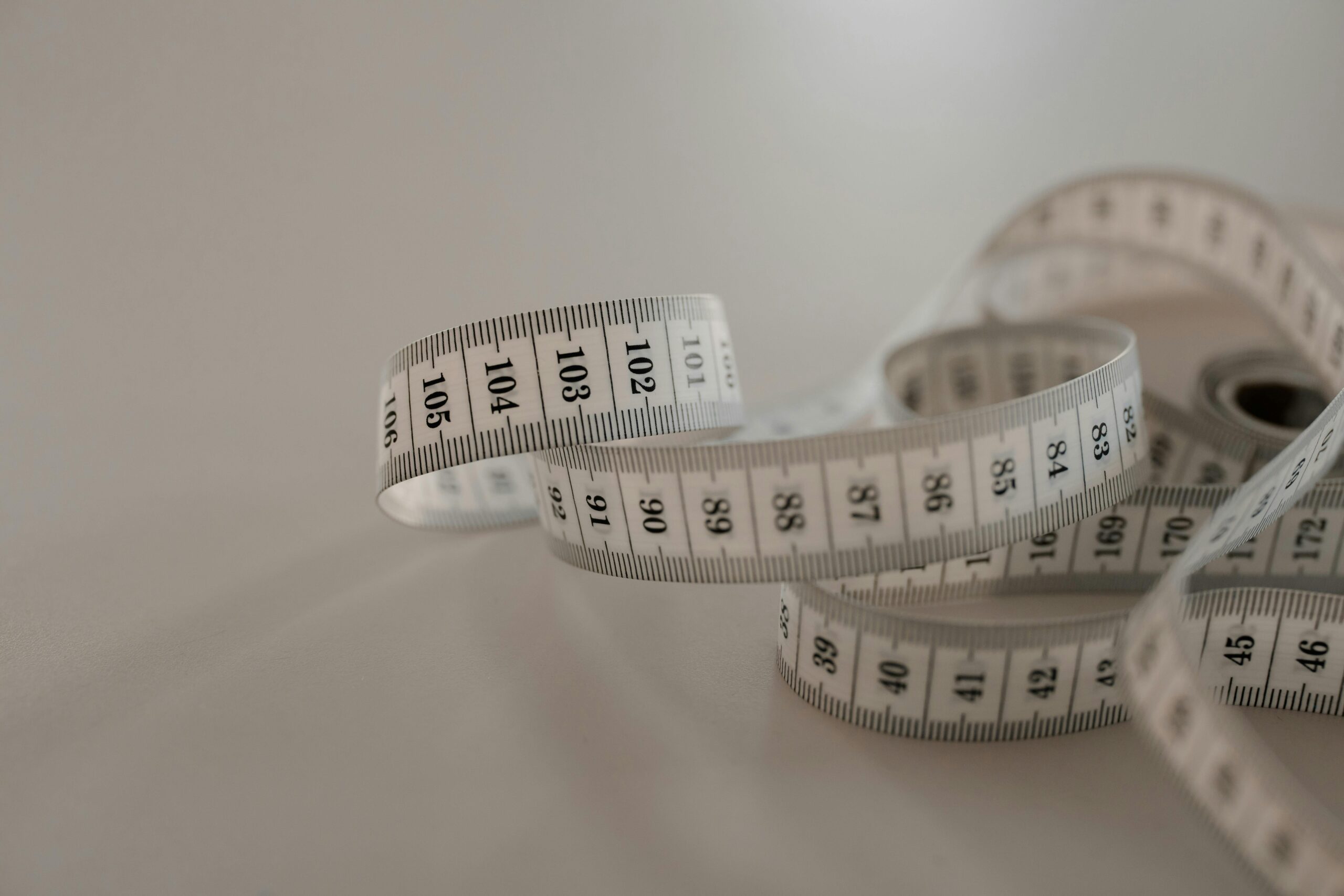
Your smartphone’s transformation into a capable measuring tool represents more than technological novelty—it’s a practical enhancement to everyday life. By mastering these digital measuring techniques, you gain confidence in spatial decisions, reduce costly mistakes, and streamline projects large and small. The tape measure isn’t obsolete, but your pocket now contains its remarkably capable digital cousin, ready whenever you need it. 🎉
