
Anúncios
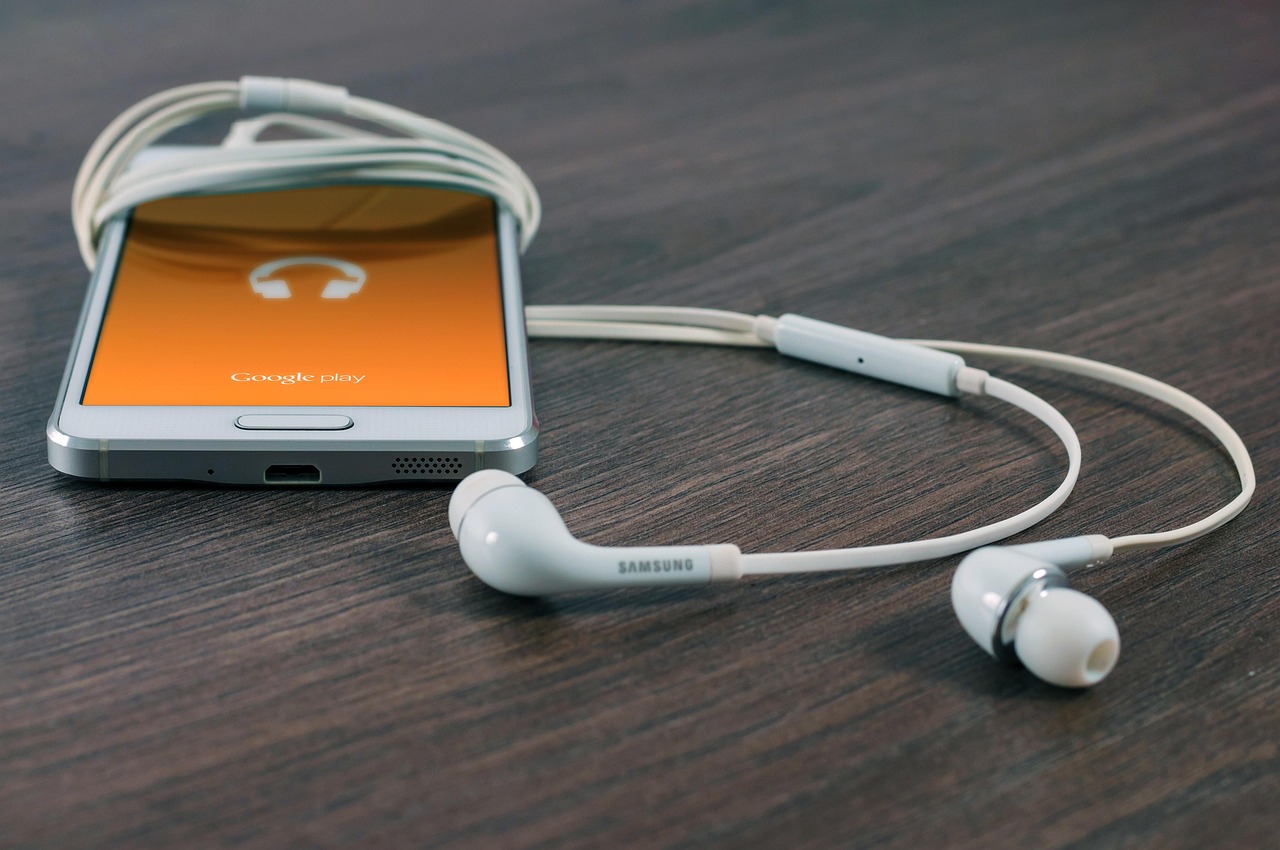
Your smartphone holds incredible audio potential waiting to be explored. From streaming high-quality music to recording professional-grade sound, modern devices pack impressive capabilities that most users barely scratch the surface of.
Transform Your Smartphone Into an Audio Powerhouse

Explore Advanced Audio Tools
The evolution of smartphone audio technology has been nothing short of remarkable. What once served as basic communication tools now rival dedicated audio equipment in many scenarios. Whether you’re a music enthusiast, content creator, or simply someone who appreciates quality sound, understanding your device’s audio capabilities opens up a world of possibilities.
This comprehensive guide will walk you through every aspect of smartphone audio optimization. You’ll discover hidden settings, essential accessories, powerful apps, and techniques that professionals use to achieve studio-quality results from devices that fit in your pocket.
🎵 Understanding Your Smartphone’s Audio Architecture
Modern smartphones incorporate sophisticated audio processing systems that work behind the scenes. The digital-to-analog converter (DAC) serves as the heart of your device’s audio output, translating digital files into the analog signals your headphones need. High-end smartphones feature dedicated DAC chips that significantly improve sound quality compared to generic integrated solutions.
The audio codec your device uses makes a substantial difference in playback quality. Advanced codecs like aptX HD, LDAC, and AAC provide noticeably better wireless audio transmission compared to standard SBC. Many users don’t realize their devices support these superior codecs, missing out on enhanced listening experiences simply through lack of awareness.
Processing power dedicated to audio tasks has increased dramatically. Modern chipsets include specialized audio processing units that handle equalization, spatial audio effects, and noise cancellation without draining your battery. These components work together seamlessly, but optimization requires understanding how to configure them properly.
📱 Identifying Your Device’s Audio Specifications
Locating your smartphone’s audio specifications requires some investigation. Check your device’s settings under sound or audio sections, where manufacturers often list supported codecs and audio enhancements. Third-party apps can reveal deeper technical information about your audio hardware that standard settings menus don’t display.
The frequency response range indicates which sound frequencies your device can reproduce. Premium smartphones typically handle 20Hz to 20kHz, covering the full range of human hearing. Lower-end devices might cut off at the extremes, resulting in less detailed bass and treble reproduction.
🎧 Maximizing Audio Output Quality
Your smartphone’s audio settings contain hidden gems that dramatically improve sound quality. Disable unnecessary sound processing features that can introduce distortion or unwanted coloration. Many devices ship with aggressive audio “enhancements” enabled by default, which actually degrade fidelity for listeners seeking accurate reproduction.
Sample rate and bit depth settings determine audio resolution. Whenever possible, configure music apps to stream or play files at higher quality settings. The difference between standard quality streaming at 128kbps and high-fidelity options at 320kbps or lossless formats becomes immediately apparent on decent headphones.
Volume limiting features protect hearing but can restrict dynamic range. Understanding safe listening levels allows you to adjust these settings appropriately for your environment and preferences. The key involves finding the sweet spot where you achieve sufficient volume without pushing your amplifier into distortion territory.
🔊 Equalizer Settings That Actually Work
Proper equalizer configuration transforms mediocre audio into engaging listening experiences. Rather than cranking up bass and treble sliders randomly, start with a flat response and make subtle adjustments. Boosting frequencies creates distortion more easily than cutting them, so consider reducing frequencies you want less prominent rather than increasing those you want emphasized.
Different music genres benefit from specific EQ profiles. Classical music typically requires minimal adjustment to preserve the natural tonal balance, while electronic music might benefit from controlled bass enhancement. Hip-hop listeners often prefer elevated sub-bass frequencies, but excessive boosting creates muddy, indistinct sound.
Headphone-specific equalization compensates for each model’s unique frequency response characteristics. Premium audio apps include profiles for popular headphone models that correct known deficiencies. This targeted approach yields better results than generic presets labeled “rock” or “jazz.”
🎤 Recording Professional Audio on Your Smartphone
Smartphone microphones have evolved from barely adequate to surprisingly capable. Modern devices incorporate multiple microphones with noise cancellation algorithms that isolate desired sounds from background noise. Understanding microphone placement and recording technique matters more than the latest hardware in many situations.
Environmental factors dramatically affect recording quality. Hard surfaces create reflections that cause echo and resonance, while soft furnishings absorb sound and reduce reverberation. Recording in acoustically treated spaces isn’t always possible, but awareness of these principles helps you choose better locations and position yourself optimally.
File format selection impacts both quality and file size. Uncompressed WAV files preserve maximum fidelity but consume significant storage space. Compressed formats like AAC offer excellent quality at manageable file sizes when configured with appropriate bitrates. For most purposes, 256kbps AAC provides indistinguishable quality from uncompressed recordings.
🎙️ Essential Recording Apps for Content Creators
Professional recording applications unlock capabilities that standard voice recorder apps don’t offer. Advanced apps provide manual gain control, allowing you to set optimal input levels that prevent distortion while maximizing signal-to-noise ratio. This control makes the difference between amateur and professional-sounding recordings.
Multi-track recording apps enable sophisticated audio projects entirely on your smartphone. Layer multiple takes, add effects, and mix different elements just like in a traditional recording studio. Podcast producers, musicians, and voice actors increasingly rely on mobile recording solutions for their convenience and surprising quality.
Real-time monitoring through headphones helps you catch problems during recording rather than discovering them later. Many recording apps support this feature, though it requires specific hardware configurations. Latency can be an issue, so test your setup before important recordings.
🔌 Accessories That Enhance Smartphone Audio
External digital-to-analog converters bypass your smartphone’s internal audio hardware entirely. These compact devices connect via USB or Lightning ports and provide substantially improved audio quality. Audiophiles notice immediate improvements in clarity, detail, and soundstage width when using quality external DACs.
High-impedance headphones require more power than smartphones typically provide. Portable headphone amplifiers solve this problem, delivering the current necessary to drive demanding headphones to their full potential. These amplifiers also reduce background noise and improve dynamic range compared to direct smartphone connections.
External microphones transform recording quality for relatively modest investment. Options range from compact lavalier microphones perfect for interviews to directional shotgun mics ideal for video production. The improvement over built-in smartphone microphones justifies the cost for anyone serious about content creation.
🎚️ Choosing the Right Audio Interface
Audio interfaces designed for smartphones provide professional-grade recording capabilities. These devices offer XLR inputs for studio microphones, phantom power for condenser mics, and superior preamps compared to smartphone internal circuitry. Musicians recording demos and podcasters seeking broadcast quality increasingly turn to these solutions.
Compatibility varies between iOS and Android devices. Apple’s Lightning connector ecosystem generally offers more plug-and-play options, while Android users need to verify USB-OTG support and driver compatibility. Research specific device compatibility before purchasing audio accessories to avoid disappointment.
Power consumption affects usability significantly. Some audio accessories draw power from your smartphone, draining the battery quickly during extended recording sessions. Self-powered options or those supporting external power sources provide more flexibility for professional applications.
🌐 Streaming Services and Audio Quality
Not all streaming services deliver equal audio quality. Spotify’s highest quality setting streams at 320kbps, while Tidal offers lossless FLAC streaming and even high-resolution master quality files. Apple Music provides lossless audio at no additional cost, making it attractive for quality-conscious listeners.
Network connection quality impacts streaming reliability more than absolute bandwidth. Stable connections at moderate speeds outperform faster but inconsistent connections that cause frequent buffering and quality drops. Downloading tracks for offline listening ensures consistent quality regardless of network conditions.
Bluetooth audio quality limitations often bottleneck streaming service quality. Even when streaming lossless audio, standard Bluetooth compression reduces fidelity. Using wired connections or Bluetooth codecs like LDAC that support higher bitrates preserves the quality advantages of premium streaming tiers.
📊 Comparing Popular Streaming Platforms
| Service | Maximum Quality | Codec | Premium Cost |
|---|---|---|---|
| Spotify | 320kbps | Ogg Vorbis | $10.99/month |
| Apple Music | Lossless | ALAC | $10.99/month |
| Tidal HiFi | MQA | FLAC/MQA | $19.99/month |
| Amazon Music HD | Ultra HD | FLAC | $14.99/month |
| Qobuz | Hi-Res 24-bit | FLAC | $14.99/month |
Evaluating whether premium audio quality justifies additional cost depends on your equipment and listening habits. Casual listeners using basic earbuds likely won’t perceive differences between standard and high-resolution streaming. However, quality headphones or speaker systems reveal the enhanced detail and dynamics that lossless formats provide.
🔋 Managing Audio and Battery Life
Audio playback significantly impacts battery consumption through multiple mechanisms. Streaming music continuously uses cellular or WiFi radios, while local playback taxes storage access and audio processing circuits. Bluetooth transmission adds another drain, though modern low-energy protocols minimize this impact.
Optimization strategies extend listening time without sacrificing quality. Downloading music for offline playback eliminates streaming overhead. Using wired headphones removes Bluetooth power consumption entirely. Disabling unnecessary audio processing features reduces CPU workload and thermal output.
Battery-saving modes often compromise audio performance by limiting processor speed and background activity. Understanding these trade-offs helps you make informed decisions about when to prioritize battery life versus audio quality. For critical listening sessions, disable power-saving features and charge afterward.
⚡ Power Management Best Practices
Background app activity drains battery even when not actively listening. Music apps that continuously sync libraries or download recommendations consume power unnecessarily. Review app settings to disable automatic updates and background refresh for audio applications.
Screen brightness accounts for substantial battery drain during music playback. Most streaming services don’t require constant screen interaction, so reducing brightness or using always-on display features conserves significant power. Consider dedicated music player widgets that minimize screen wake time.
🎼 Advanced Audio Techniques and Features
Spatial audio creates immersive three-dimensional soundscapes through sophisticated processing algorithms. Apple’s implementation tracks head movement, adjusting audio positioning in real-time for incredibly realistic experiences. Android devices offer similar features through Dolby Atmos and other proprietary technologies.
Active noise cancellation technology eliminates ambient sound through destructive interference. Premium wireless earbuds now rival dedicated noise-cancelling headphones in effectiveness. Understanding when to use transparency modes versus full cancellation maximizes both safety and listening enjoyment.
Audio sharing features let multiple listeners enjoy content simultaneously from a single device. This capability proves useful for watching videos together or sharing music discoveries. Implementation varies by manufacturer, with some supporting multiple Bluetooth connections natively while others require specific accessories.
🧠 Psychoacoustic Enhancements Explained
Psychoacoustic processing exploits how human hearing perceives sound to create enhanced experiences. Bass boost algorithms use harmonics to create the impression of deeper bass than speakers can physically produce. These techniques work remarkably well but require careful implementation to avoid artificial-sounding results.
Soundstage widening creates spatial impressions that extend beyond headphone drivers. Virtual surround sound processing simulates multi-speaker setups through stereo headphones. Effectiveness varies significantly between implementations, with the best creating convincing spatial audio and poor versions simply adding hollow reverb.
Dynamic range compression reduces the difference between loud and quiet passages. This processing makes audio more listenable in noisy environments but sacrifices the emotional impact that dynamic variation provides. Understanding when to enable compression versus enjoying full dynamics improves overall listening satisfaction.
🔒 Protecting Your Hearing While Enjoying Audio
Hearing damage from excessive volume exposure accumulates over time and proves irreversible. Smartphones now include hearing health features that track exposure levels and warn when approaching dangerous thresholds. These tools provide valuable feedback, though personal awareness remains crucial.
The 60/60 rule suggests limiting listening to 60% maximum volume for no more than 60 minutes at a time. This guideline provides a reasonable starting point, though ideal levels depend on headphone sensitivity and ambient noise. Taking regular breaks allows your ears to recover from extended exposure.
Noise-isolating and noise-cancelling headphones reduce the need for high volumes in loud environments. By eliminating background noise, these technologies enable comfortable listening at lower volumes that protect long-term hearing health. The investment in quality headphones pays dividends in preserved hearing ability.
👂 Recognizing Signs of Hearing Damage
Temporary threshold shift manifests as muffled hearing or ringing after loud exposure. These symptoms indicate your ears experienced potentially damaging sound levels. Persistent ringing, difficulty understanding speech, or asking people to repeat themselves frequently suggest accumulated hearing damage requiring professional evaluation.
Annual hearing tests establish baseline measurements that track changes over time. Early detection of hearing loss enables interventions that prevent further deterioration. Many audiologists offer free screening tests that take only minutes and provide valuable health information.
🚀 Future Trends in Smartphone Audio Technology
Computational audio processing continues advancing rapidly. Machine learning algorithms now separate individual instruments from mixed recordings, adjust audio based on listening environment, and even enhance compressed audio files by intelligently reconstructing lost information. These capabilities seemed impossible just years ago.
Spatial audio adoption accelerates as content creators embrace immersive formats. Music produced specifically for spatial audio platforms provides experiences impossible with traditional stereo recordings. This trend will likely continue as more services and devices support three-dimensional audio reproduction.
Wireless audio quality improvements eliminate the remaining gap between wired and wireless connections. New Bluetooth codecs support lossless transmission, while WiFi-based protocols offer even higher fidelity. The convenience of wireless audio no longer requires accepting compromised sound quality.
Integration between smartphones and smart home audio systems deepens. Seamless handoff between devices, synchronized multi-room playback, and unified control interfaces create cohesive audio ecosystems. Your smartphone increasingly serves as the central controller for comprehensive audio experiences throughout your environment.
Personalized audio tuning based on individual hearing profiles represents an emerging frontier. Apps that test your hearing and adjust audio output accordingly ensure optimal experiences regardless of age-related hearing changes or specific sensitivities. This customization delivers improvements that universal settings cannot match.
The audio capabilities hiding in your smartphone deserve exploration and optimization. By understanding the technology, configuring settings appropriately, choosing quality accessories, and following best practices, you transform an everyday device into a serious audio tool. Whether you’re listening to music, creating content, or simply enjoying better sound quality during calls, these techniques unlock the full potential of the powerful audio system you carry everywhere. Your ears will thank you for the investment in knowledge and equipment that elevates every audio experience.
