
Anúncios
Mastering fabric stretch prediction transforms your sewing projects from guesswork into precision engineering, ensuring every garment fits perfectly and performs exactly as intended.
🎯 Why Fabric Stretch Prediction Changes Everything in Garment Construction
Understanding how fabrics behave under tension is the cornerstone of professional-quality garment making. Whether you’re creating athletic wear, everyday clothing, or haute couture pieces, the ability to predict fabric stretch accurately determines the success of your final product. This skill separates amateur sewists from true textile professionals who consistently deliver impeccable results.
Fabric stretch prediction involves analyzing how materials elongate and recover when force is applied. This knowledge impacts pattern sizing, seam construction, fitting adjustments, and ultimately the comfort and longevity of finished garments. Without this understanding, you risk creating pieces that sag, bind, or lose shape after minimal wear.
Understanding the Science Behind Fabric Elasticity 🔬
Fabric stretch isn’t simply about how far material can extend. It encompasses multiple characteristics including stretch percentage, recovery ability, directional behavior, and memory retention. Each fabric type exhibits unique properties based on fiber content, knit or weave structure, and finishing treatments applied during manufacturing.
Natural fibers like cotton possess minimal inherent stretch, while synthetic materials such as spandex or elastane can extend up to 500% of their original length. Blended fabrics combine these properties, creating textiles with customized performance characteristics suited for specific applications.
The Four Essential Stretch Categories
Professional fabric analysis divides stretch into four distinct categories that guide pattern selection and construction methods:
- Stable fabrics: Less than 15% stretch, including woven cottons, silks, and most non-stretch materials
- Moderate stretch: 15-25% stretch, common in ponte knits and interlock jerseys
- Super stretch: 25-50% stretch, found in athletic wear and performance fabrics
- Maximum stretch: Over 50% stretch, typically seen in swimwear and specialized activewear
Practical Methods for Accurate Stretch Testing 📏
Professional stretch prediction begins with systematic testing using standardized methods that produce repeatable, reliable results. These techniques require minimal equipment but deliver maximum insight into fabric behavior.
The Standard Stretch Test Protocol
Cut a 10-inch fabric sample along the stretch direction you’re testing. Mark two points exactly 4 inches apart in the center of your sample. Hold one end firmly and stretch the fabric with consistent, moderate tension until resistance increases noticeably. Measure the distance between your marked points.
Calculate stretch percentage using this formula: ((stretched measurement – original measurement) / original measurement) × 100. For example, if your 4-inch section stretches to 5 inches, you have 25% stretch ((5-4)/4 × 100 = 25%).
Recovery Testing: The Often-Overlooked Critical Factor
Stretch percentage tells only half the story. Recovery ability determines whether your garment maintains its shape over time or becomes stretched out and unwearable. After stretching your sample, release the tension and wait 30 seconds. Measure again between your marked points.
Quality fabrics should recover to within 0.25 inches of the original measurement. Poor recovery indicates fibers that will permanently deform, resulting in garments that lose fit quickly.
Directional Stretch: Understanding the Fabric Grid 🧭
Most fabrics exhibit different stretch characteristics along various axes. This directional behavior profoundly impacts pattern layout, grain line placement, and garment performance.
Knit fabrics typically demonstrate maximum stretch across the width (crosswise grain), moderate stretch lengthwise (along the wales), and two-way stretch in fabrics containing elastane. Woven fabrics with added spandex may stretch in one or both directions depending on how elastane threads are incorporated.
Strategic Pattern Placement for Optimal Performance
Position pattern pieces to align maximum stretch with areas requiring greatest flexibility. For fitted bodices, place maximum stretch horizontally across the bust and ribcage. For pants, align primary stretch around the hips and thighs where movement occurs most frequently.
This strategic placement ensures garments move with the body rather than restricting motion or creating uncomfortable pressure points. It also maximizes fabric efficiency by using stretch properties to achieve fit rather than relying solely on pattern shaping.
Calculating Negative Ease with Precision ✂️
Negative ease represents the difference between body measurements and garment measurements when creating fitted stretchy garments. This concept remains mysterious to many sewists, yet mastering it unlocks the secret to professional-looking knit garments.
The amount of negative ease depends directly on fabric stretch percentage and desired fit. As a general guideline, use these calculations:
| Fabric Stretch | Negative Ease Percentage | Fit Description |
|---|---|---|
| 15-25% | 0-5% | Relaxed, comfortable fit |
| 25-40% | 5-10% | Close, body-skimming fit |
| 40-75% | 10-20% | Compression, athletic fit |
| 75%+ | 20-30% | Maximum compression, swimwear |
These percentages provide starting points requiring adjustment based on specific design elements, intended use, and personal fit preferences. Always create muslins or test garments when working with new fabric types or unfamiliar stretch percentages.
Advanced Techniques: Predicting Stretch Behavior Over Time ⏰
Professional designers anticipate how fabrics will perform not just immediately after construction, but through repeated wear and laundering cycles. This forward-thinking approach ensures customer satisfaction and garment longevity.
Stress Testing for Long-Term Performance
Conduct extended stretch tests by securing fabric samples to a board with pins, maintaining moderate stretch for 24-48 hours. Quality fabrics show minimal permanent deformation. Materials that significantly relax indicate poor elastic recovery unsuitable for fitted garments requiring shape retention.
Wash test samples following care label instructions, measuring stretch percentages before and after laundering. Some fabrics lose elasticity through washing while others become tighter as fibers bloom. Understanding these changes prevents disappointing results after the first wash.
Matching Fabric Stretch to Project Requirements 🎨
Different garment types demand specific stretch characteristics for optimal performance. Selecting inappropriate fabric compromises both appearance and functionality regardless of construction quality.
Activewear requires fabrics with substantial stretch (40-75%), excellent recovery, and moisture management. These garments experience extreme movement ranges demanding materials that flex without binding while returning precisely to original dimensions.
Everyday casual wear performs best with moderate stretch (20-35%) offering comfort without appearing overly fitted or athletic. These fabrics balance ease of movement with professional appearance suitable for multiple contexts.
Structured garments like blazers or tailored pants benefit from stable fabrics (under 15% stretch) or strategically placed stretch panels. Too much elasticity in these pieces creates unprofessional appearances lacking the crisp lines that define tailored clothing.
Troubleshooting Common Stretch Prediction Mistakes 🔧
Even experienced sewists occasionally misjudge fabric behavior, resulting in garments that fit improperly or perform disappointingly. Recognizing these common errors helps avoid repeated mistakes.
The Maximum Stretch Trap
Testing fabric stretch using maximum force rather than comfortable wearing tension produces inflated percentages that mislead pattern adjustments. Garments constructed using these measurements fit too tightly, causing discomfort and premature fabric fatigue. Always test using moderate, sustainable tension mimicking actual body contact pressure.
Ignoring Crosswise and Lengthwise Differences
Assuming uniform stretch in all directions causes pattern placement errors that compromise fit and drape. Always test both grain directions separately, documenting results for reference during pattern layout. This diligence ensures stretch properties align correctly with garment stress points.
Overlooking Fabric Weight in Stretch Calculations
Heavy fabrics with significant stretch behave differently than lightweight materials with identical stretch percentages. Weight affects drape, recovery speed, and how fabric responds to gravity when worn. Consider both stretch percentage and fabric weight when predicting performance in finished garments.
Digital Tools and Technology for Stretch Analysis 📱
Modern technology offers sophisticated methods for analyzing fabric properties with precision previously available only in professional textile laboratories. These tools democratize access to detailed fabric information, enabling home sewists to make professional-level decisions.
Digital stretch meters provide precise percentage calculations eliminating mathematical errors. These devices apply standardized tension while measuring elongation, producing consistent results across multiple samples and testing sessions.
Smartphone applications now offer fabric analysis features using device cameras and measurement algorithms. While not replacing professional equipment, these apps provide convenient preliminary assessments when selecting fabrics or planning projects.
Building Your Personal Fabric Reference Library 📚
Professional designers maintain detailed records of fabrics they’ve worked with, documenting stretch percentages, recovery characteristics, and performance notes. This reference library becomes invaluable when selecting materials for new projects or troubleshooting fit issues.
Create fabric swatches attached to index cards or stored in a binder. Record stretch percentages in both directions, recovery measurements, fiber content, care instructions, and supplier information. Include notes about how fabrics performed in completed projects, highlighting successes and challenges.
Photograph fabrics under consistent lighting conditions, capturing texture, drape, and surface characteristics that impact appearance but don’t show in specifications alone. These visual references help recall fabric properties when planning future projects.
Integrating Stretch Prediction Into Pattern Adjustment Workflows 🛠️
Accurate stretch prediction becomes truly valuable when systematically incorporated into your pattern adjustment process. Develop consistent workflows that account for fabric properties from initial design through final construction.
Begin every project by testing fabric stretch before purchasing full yardage. This early assessment prevents costly mistakes when materials don’t perform as expected. Calculate required negative ease based on test results and intended fit before cutting patterns.
Adjust pattern pieces proportionally across all areas rather than making isolated changes. Reducing pattern width by 10% for negative ease requires corresponding adjustments to armholes, necklines, and sleeve caps maintaining proper proportional relationships.
Professional Applications: From Custom Tailoring to Production Manufacturing 👔
Mastering stretch prediction opens professional opportunities in custom tailoring, small-batch production, and even large-scale manufacturing. These skills demonstrate technical expertise that clients and employers highly value.
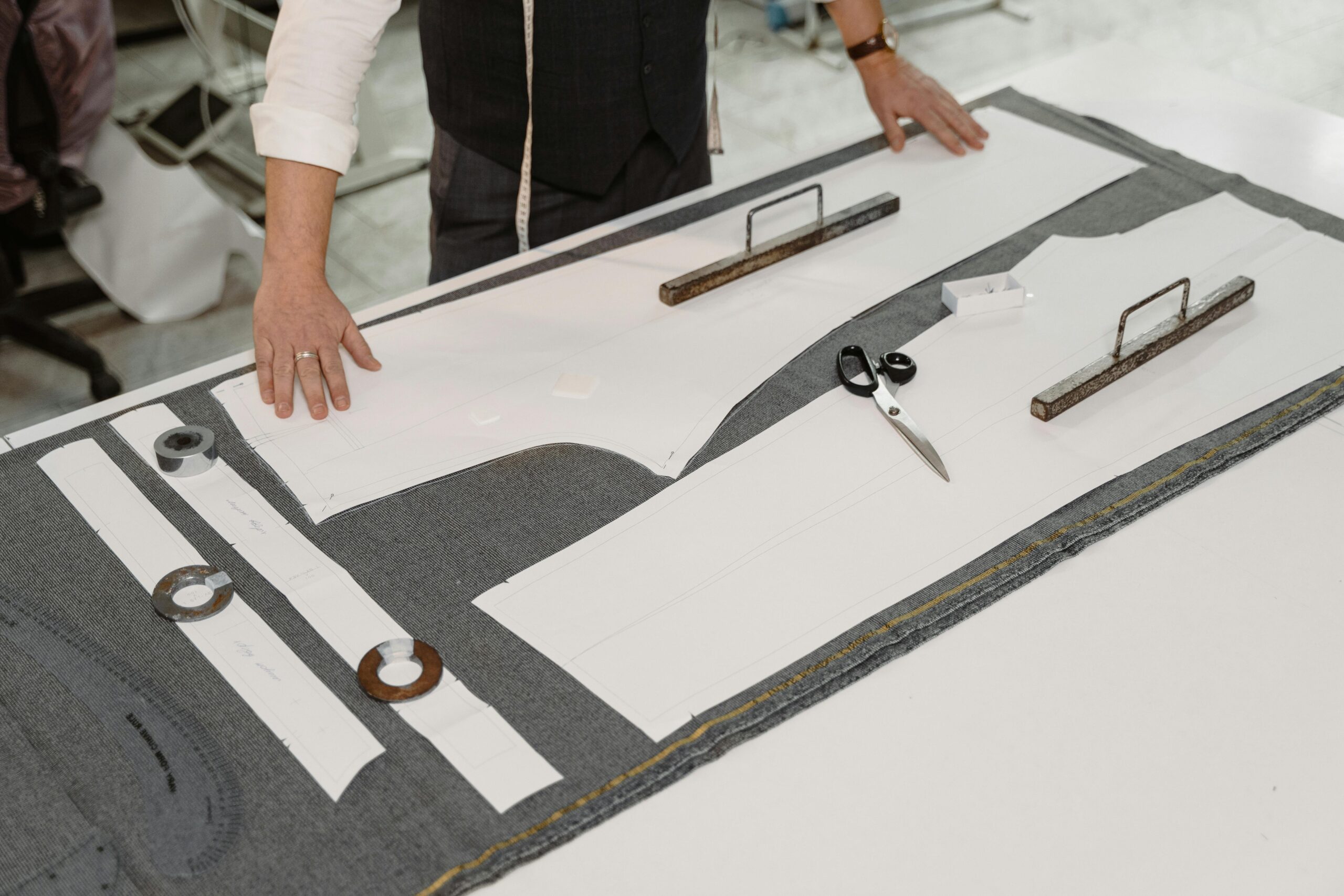
Custom tailors use precise stretch prediction to create perfectly fitted garments requiring minimal alterations. This efficiency reduces labor costs while improving client satisfaction and generating positive referrals. The ability to guarantee fit accuracy on the first try distinguishes exceptional tailors from merely competent ones.
Production designers specify exact fabric requirements including minimum stretch percentages ensuring consistent results across size ranges. This precision prevents fit variations that create returns, exchanges, and damaged brand reputations.
Elevating Your Craft Through Continuous Learning 🌟
Fabric technology constantly evolves with new fiber blends, finishing treatments, and construction methods creating materials with unprecedented performance characteristics. Committed professionals stay current with these developments, continuously expanding their knowledge base.
Attend textile trade shows and industry conferences where mills showcase innovative fabrics before they reach retail markets. These events provide hands-on experience with cutting-edge materials while offering networking opportunities with other professionals.
Join professional organizations and online communities focused on garment construction and textile science. These groups share research, problem-solving strategies, and real-world testing results that enhance your understanding of fabric behavior in practical applications.
Practice stretch testing on every fabric that passes through your workspace, even for simple projects. This consistent habit builds intuitive understanding that eventually allows you to accurately predict fabric behavior through touch and visual assessment alone. Combine this experiential knowledge with scientific testing methods for unmatched precision.
The journey to mastering fabric stretch prediction never truly ends. Each project teaches new lessons, each fabric presents unique challenges, and every successfully fitted garment validates your growing expertise. Embrace this continuous learning process as the path to creating garments that fit impeccably, perform flawlessly, and delight wearers with their comfort and quality. Your commitment to understanding fabric behavior at this deep level transforms your work from simple sewing into true textile craftsmanship.
