
Anúncios
Shopping online has revolutionized retail, but finding the right fit remains a challenge. Let’s unlock the secrets to perfect sizing!
🎯 Why Size Charts Are Your Secret Weapon
Have you ever ordered clothing online only to discover it doesn’t fit when it arrives? You’re not alone. Statistics show that approximately 30-40% of all online fashion purchases are returned due to sizing issues. This frustrating experience costs both consumers and retailers billions annually, but the solution is simpler than you might think: mastering the art of reading and interpreting size charts.
Size charts are standardized measurement guides that brands provide to help customers select the correct size. However, here’s the catch: sizing isn’t universal. A medium in one brand might fit like a large in another, and international sizing standards vary dramatically. Understanding these nuances can transform your online shopping experience from a gamble into a precise science.
The beauty of size charts lies in their specificity. While vanity sizing and brand variations create confusion, actual body measurements remain constant. When you know your measurements and how to match them with size charts, you gain the power to shop confidently across any brand or platform.
📏 Taking Your Measurements Like a Pro
Before diving into size charts, you need accurate body measurements. Grab a flexible measuring tape—the kind used for sewing—and find a mirror. Taking measurements alone can be tricky, so enlist help if possible.
Essential Measurements Everyone Should Know
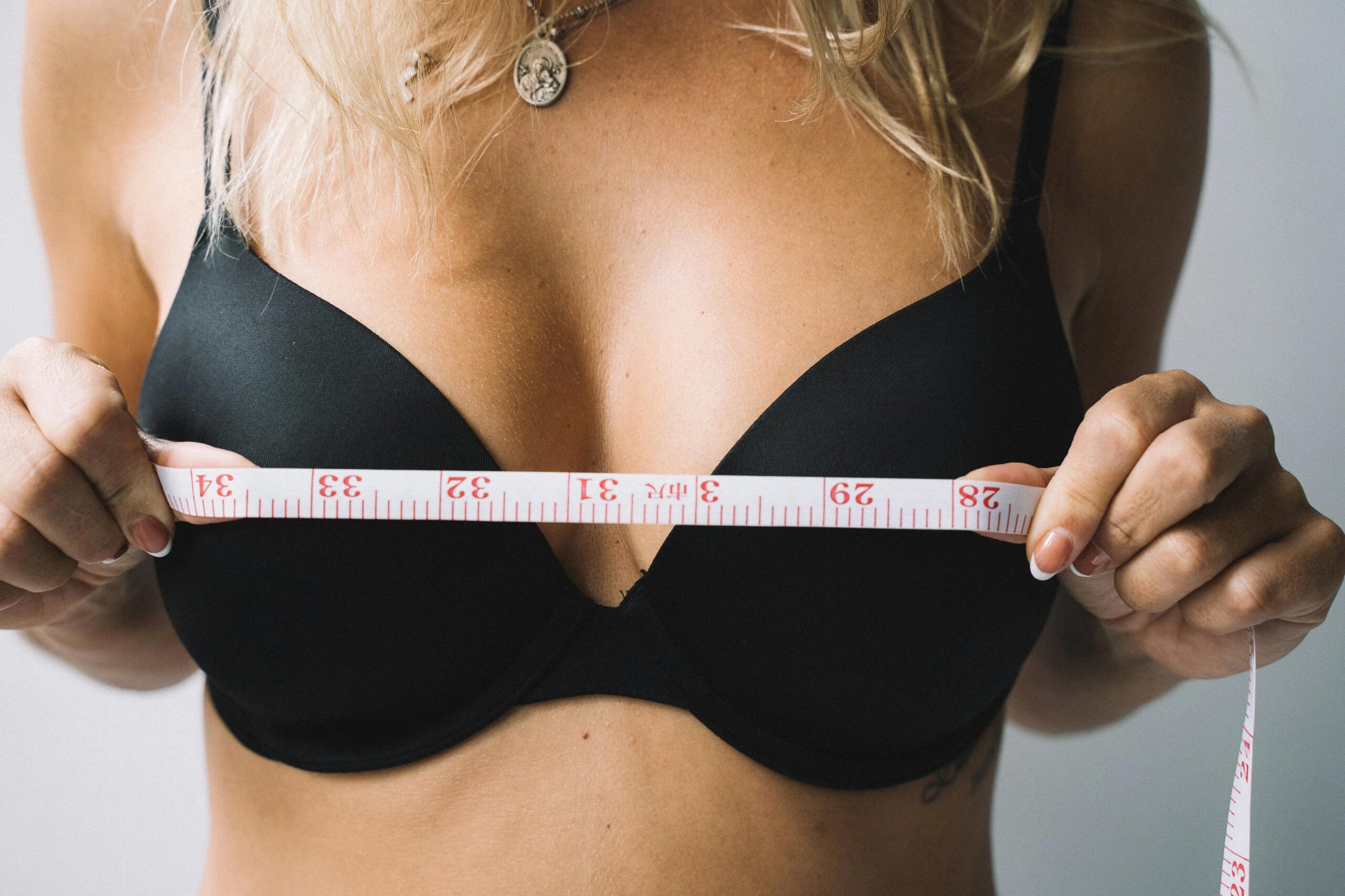
Start with your bust or chest measurement. For women, measure around the fullest part of your bust while wearing a non-padded bra. For men, measure around the chest at its widest point, typically just under the armpits. Keep the tape parallel to the floor and snug but not tight.
Your waist measurement is next. Find your natural waistline by bending to one side—the crease that forms is your natural waist. Measure around this point while standing straight, keeping the tape comfortably snug. Don’t suck in your stomach; you want accurate measurements for clothes that fit comfortably.
Hip measurements are crucial for pants, skirts, and dresses. Measure around the fullest part of your hips and rear, typically about seven to nine inches below your natural waistline. Again, keep the tape parallel to the floor.
For shirts and jackets, you’ll also need shoulder width (measure from shoulder point to shoulder point across your back), sleeve length (from shoulder to wrist with arm slightly bent), and sometimes neck circumference for collared shirts.
Pro Tips for Accurate Measurements ✨
Always measure directly against your skin or over thin, fitted clothing. Bulky clothes add inches that will throw off your numbers. Stand naturally without tensing or posing. Take each measurement two or three times to ensure accuracy, and record the numbers immediately—memory is unreliable.
Update your measurements every six months or after significant weight changes. Our bodies naturally fluctuate, and using outdated measurements defeats the purpose of this precision approach.
🌍 Decoding International Size Standards
Shopping internationally or from global brands means navigating different sizing systems. The US, UK, Europe, Australia, and Asia all use different numbering conventions, which can create serious confusion.
American sizing typically uses numbers (0, 2, 4, 6, etc.) for women and inches for men’s waist and inseam measurements. UK sizing runs differently, with UK sizes typically being two numbers higher than US sizes. European sizes use a completely different scale (34, 36, 38, 40), while Asian sizing tends to run smaller overall with designations like XS, S, M, L, or numerical sizes that don’t correlate directly with Western standards.
Quick Reference Conversion Guide
For women’s clothing, a US size 8 typically equals a UK size 12, a European size 38, and might be labeled as L in some Asian brands. However, these conversions are approximate—always check the specific brand’s size chart rather than relying solely on conversions.
Men’s shirt sizing is often more standardized globally, using S, M, L, XL conventions, but the actual measurements behind these labels vary significantly. A medium shirt from an Italian brand will typically have a slimmer cut than an American medium.
Shoe sizing presents another challenge entirely, with completely different scales across regions. A women’s US size 8 equals a UK 5.5 or 6, a European 38-39, and approximately a 25cm Japanese size. Men’s shoes follow their own conversion patterns. Always reference the brand’s specific shoe size chart, which should include length measurements in centimeters or inches.
🔍 Reading Size Charts: What All Those Numbers Mean
Once you’re armed with your measurements and understand international sizing differences, it’s time to tackle actual size charts. Most comprehensive size charts present information in a grid format with sizes across the top and body measurements down the side.
Look for the measurement type labels: bust/chest, waist, hips, inseam, sleeve length, etc. Match your body measurements to the corresponding numbers in the chart. If your measurements fall between two sizes, consider the garment type and fabric.
The Between-Sizes Dilemma
When your measurements land between sizes, strategic thinking is required. For stretchy fabrics like jersey, spandex blends, or knitwear, sizing down often works well. These materials accommodate your body and typically look better with a closer fit.
For structured, non-stretch fabrics like denim, button-down shirts, or tailored pieces, size up. These garments don’t have give, and too-tight clothing is uncomfortable and often unflattering. You can always tailor something slightly large, but you can’t add fabric to something too small.
Consider the garment’s purpose too. Athletic wear should fit snugly for performance, while loungewear benefits from extra room. A fitted dress for a special occasion might warrant sizing down in stretchy fabric, while everyday jeans should have comfortable breathing room.
👕 Category-Specific Sizing Strategies
Tops and Shirts: Beyond Just Bust Measurements
While bust or chest circumference is the primary measurement for tops, don’t ignore shoulder width, sleeve length, and overall length. A top might fit your bust perfectly but have shoulders that droop off or sleeves that end awkwardly.
Read product descriptions carefully. Terms like “relaxed fit,” “slim fit,” “regular fit,” or “oversized” indicate the intended silhouette. A relaxed fit shirt might technically accommodate your measurements in a smaller size, but the oversized styling might be the aesthetic you want in a larger size.
Bottoms: The Trickiest Category 👖
Pants, jeans, skirts, and shorts require attention to multiple measurements: waist, hips, rise (low, mid, or high), inseam, and sometimes thigh circumference. These measurements work together to create fit.
Rise is particularly important but often overlooked. Low-rise pants sit below your natural waist, mid-rise typically hits at or just below the navel, and high-rise extends above the navel. The same waist and hip measurements in different rises create entirely different fits.
Inseam determines length—crucial for pants but also relevant for skirts and dresses. If a size chart provides inseam measurements, measure from your crotch seam to where you want the hem to fall, then match this to the chart. Remember that hemming pants is relatively easy and inexpensive, so prioritize getting waist and hips right.
Dresses: The Whole Package
Dresses combine top and bottom considerations. Check bust, waist, and hip measurements against the chart, but also note where the waist of the dress sits. An empire waist hits just below the bust, natural waist is your actual waist, and dropped waist falls at the hips.
Dress lengths are typically described as mini, knee-length, midi, or maxi, but height dramatically affects where these lengths fall. Some brands provide length measurements from shoulder to hem—incredibly helpful for online shopping.
📱 Technology to the Rescue: Apps and Tools
Modern technology offers solutions to the sizing puzzle. Several apps use your smartphone camera to scan your body and generate accurate measurements, eliminating tape measure struggles.
Virtual fitting room technology is emerging across major retailers, allowing you to input your measurements and see how garments might fit. While not perfect, these tools reduce guesswork significantly. Some platforms even use AI to recommend sizes based on items you’ve purchased previously and their fit.
Customer review sections often include fit feedback. Comments like “runs small,” “true to size,” or “generous fit” from verified purchasers provide real-world data that supplements size charts. Pay special attention to reviews from people who mention their measurements and what size they ordered.
🛍️ Brand-Specific Quirks and How to Handle Them
Every brand has sizing peculiarities developed through their design philosophy, target market, and manufacturing choices. Fast fashion brands often use vanity sizing, labeling clothes smaller than their measurements suggest to flatter customers. Luxury brands sometimes run smaller, maintaining European sizing traditions.
Athletic brands typically offer compression fits in performance wear, requiring size charts specific to those products. Their casual wear might use completely different sizing. Always check which specific size chart applies to your item.
Create a personal sizing reference document. When you find a perfect fit from any brand, note the brand name, item type, size ordered, and how it fit. This database becomes invaluable for repeat purchases and helps you identify patterns in your sizing across brands.
🎨 Fabric and Style Considerations
Size charts provide measurements, but fabric behavior affects real-world fit. Natural fibers like cotton and linen typically shrink slightly with washing, while synthetics maintain size. Denim stretches with wear, often loosening half a size throughout the day.
Knit fabrics have inherent stretch that woven fabrics lack. A sweater in your bust measurement might fit perfectly thanks to the knit’s give, while a woven button-down in the same measurement could be uncomfortably tight. Some size charts indicate fabric stretch percentage—use this information in your decision-making.
Pay attention to garment construction. Clothing with adjustable features like drawstrings, elastic, ties, or adjustable straps offers sizing flexibility. These pieces can work across a broader measurement range than fixed-construction garments.
💡 Common Sizing Mistakes and How to Avoid Them
One frequent error is assuming your size remains constant across all brands and styles. Your ego might prefer a certain size number, but body-positive shopping means choosing the size that fits your actual body, not the size you wish you wore. Numbers are arbitrary; comfort and appearance are what matter.
Another mistake is measuring over bulky clothing or while wearing the wrong undergarments. The measurements you take should reflect how you’ll actually wear the garment. If you’re buying a fitted dress, measure while wearing appropriate undergarments.
Ignoring style descriptors in favor of just measurements causes problems too. A “boyfriend fit” jean is intentionally oversized—sizing down based purely on measurements might miss the intended aesthetic. Read full product descriptions alongside size charts.
Don’t forget to account for body shape. Size charts provide numbers, but bodies are three-dimensional and proportioned differently. Someone with a larger bust and smaller waist might need to size up for tops and tailor the waist, while someone with an athletic build might find standard sizing doesn’t accommodate their shoulder width.
✅ Your Pre-Purchase Checklist
Before clicking “add to cart,” run through this verification process. First, have you checked the specific size chart for this exact item? Different product categories often have separate charts on the same website. Second, do your measurements align with one size across all relevant dimensions, or are you between sizes?
Third, have you read the product description for fit details like “runs small/large,” fabric content, and stretch? Fourth, what do recent customer reviews say about sizing? Fifth, does the retailer have a reasonable return policy if the fit isn’t right?
This checklist takes minutes but prevents frustrating returns and the disappointment of items that don’t work.
🌟 Building Confidence in Your Sizing Decisions
Mastering size charts is ultimately about empowerment. When you understand your measurements and how to interpret sizing information, online shopping transforms from a risky guessing game into a confident, efficient experience. You’ll waste less time returning items, spend less money on pieces you never wear, and feel better in the clothes you choose.
Remember that perfect fit is personal. Some people prefer close-fitting clothes while others love relaxed silhouettes. Size charts provide the foundation, but your preferences and comfort determine success. Trust your knowledge, trust your measurements, and don’t be swayed by arbitrary size numbers.
The fashion industry is slowly recognizing the need for better, more standardized sizing, but until that happens universally, being an educated consumer is your best strategy. Keep your measurements updated, bookmark size charts from your favorite brands, and approach each purchase with the analytical eye you’ve developed.
Every shopping experience adds to your knowledge base. You’ll start recognizing patterns—this brand runs large, that brand has narrow shoulders, this fabric needs sizing up. Your initial investment of time in learning these skills pays dividends with every future purchase, saving time, money, and the environmental cost of returns and waste.
With these tools and strategies, you’re now equipped to navigate the complex world of sizing with expertise. Your next online shopping session will be markedly different—more confident, more successful, and resulting in a wardrobe filled with pieces that actually fit your body and life perfectly. Happy shopping! 🛒
