
Anúncios
Minimalist living promises freedom, clarity, and peace—but many people stumble when translating the philosophy into practice, ending up with stark spaces that feel empty rather than serene.
Understanding True Minimalism Beyond Empty Rooms 🏠
Minimalism isn’t about owning the fewest possible items or living in a barren apartment with nothing but a mattress on the floor. This misconception leads countless people to abandon the lifestyle before experiencing its genuine benefits. True minimalism focuses on intentionality—keeping what adds value to your life while removing what doesn’t.
The core principle revolves around quality over quantity, functionality over decoration, and purposeful living over mindless consumption. When you understand this foundation, you can create a minimalist lifestyle that enhances comfort rather than diminishes it.
Many newcomers make the mistake of confusing minimalism with deprivation. They throw away kitchen gadgets they actually use, donate comfortable furniture, or eliminate hobbies that bring joy. This extreme approach creates discomfort and often leads to repurchasing items later, which defeats the purpose entirely.
The Most Common Mistakes Minimalists Make
Decluttering Too Quickly Without Reflection
One of the biggest pitfalls is rushing through the decluttering process without proper consideration. In their enthusiasm, new minimalists often discard items impulsively, only to regret these decisions later. This creates a frustrating cycle of purging and reacquiring.
A better approach involves creating a “maybe” category during decluttering sessions. Place uncertain items in storage boxes for 30-90 days. If you don’t need them during this period, you can confidently let them go. This buffer prevents hasty decisions while still moving you toward simplification.
Following Someone Else’s Formula
Instagram and YouTube are filled with minimalist influencers showcasing their perfectly curated spaces with specific item counts or rigid rules. While these can provide inspiration, copying someone else’s minimalist blueprint rarely works because everyone’s needs differ dramatically.
Your profession, hobbies, family size, climate, and personal preferences all influence what you genuinely need. A photographer requires equipment that would be unnecessary for an accountant. Parents need items that single individuals don’t. Creating your personalized version of minimalism ensures sustainability and satisfaction.
Neglecting Comfort in Pursuit of Aesthetics
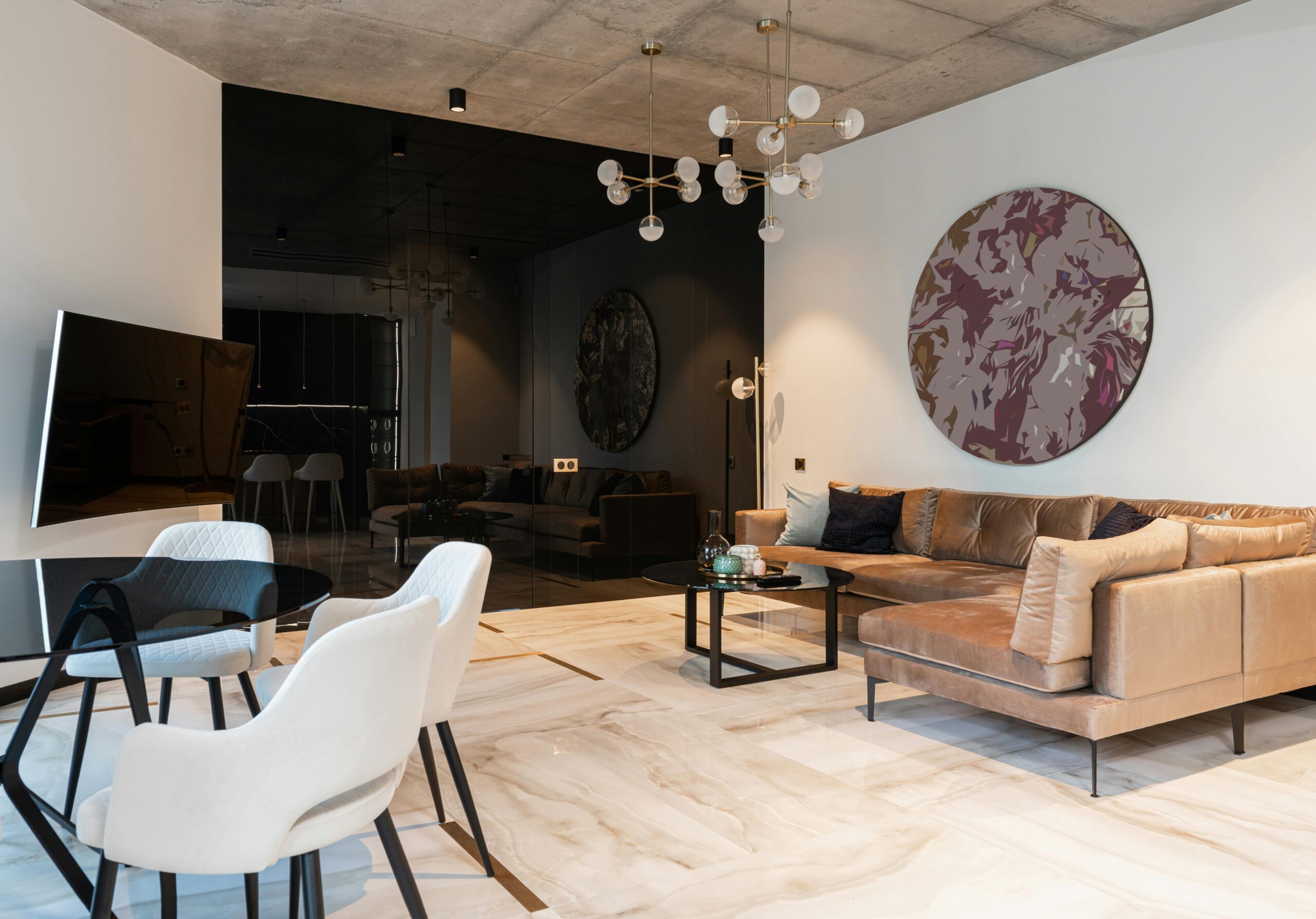
Beautiful minimalist photographs often feature spaces that look stunning but would be uncomfortable to actually live in. Hard surfaces everywhere, insufficient lighting, or lack of cozy elements might photograph well but create cold, unwelcoming environments.
Remember that your home should serve you first and look good second. Comfortable seating, adequate lighting, proper temperature control, and personal touches that bring joy are all compatible with minimalist principles when chosen thoughtfully.
Building a Functional Minimalist Kitchen Without Compromise 🍳
The kitchen presents unique challenges for minimalists because functionality is paramount. Eliminating too many tools can make cooking frustrating and lead to increased takeout spending, which contradicts minimalist values of intentional living and financial mindfulness.
Start by identifying your actual cooking habits rather than aspirational ones. If you never bake, releasing specialty baking equipment makes sense. However, if you cook daily, quality knives, cutting boards, and essential cookware are investments, not clutter.
Consider multi-functional tools that reduce item count while maintaining capability. A quality chef’s knife can replace multiple specialized blades. A cast-iron skillet works for frying, baking, and even serving. An Instant Pot combines a slow cooker, pressure cooker, rice cooker, and more in one appliance.
Essential Kitchen Items That Earn Their Space
Rather than following arbitrary item limits, evaluate each tool based on frequency of use and difficulty of substitution. Items you use weekly and that significantly improve your cooking experience deserve their place.
- Quality knives that stay sharp and make food preparation enjoyable
- Durable cookware suited to your cooking style (not matching sets you’ll partially use)
- Storage containers that keep food fresh and reduce waste
- Appliances you genuinely use multiple times per week
- Specialized tools for dietary needs or regular recipes
Creating a Minimalist Wardrobe That Actually Works
Capsule wardrobes and strict item counts appeal to many minimalists, but rigid formulas often fail because they don’t account for lifestyle variety, climate changes, or professional requirements.
The goal isn’t owning exactly 33 items or fitting everything into a single suitcase—it’s building a wardrobe where everything fits well, serves a purpose, and can be mixed easily. This might mean 40 items for one person and 60 for another, depending on their circumstances.
Avoiding the Constant Wardrobe Refresh Trap
Some minimalists fall into a paradoxical pattern of constantly “refining” their wardrobes, buying and discarding items in search of the perfect capsule. This defeats the purpose and wastes resources.
Instead, invest in quality pieces that align with your actual lifestyle. Consider fabric durability, care requirements, versatility, and comfort. A slightly larger wardrobe of well-chosen items you’ll wear for years is more minimalist than constantly cycling through trendy basics.
Track what you actually wear over several months. Take photos of your outfits or use a simple notebook. This reveals true patterns rather than imagined preferences, helping you make informed decisions about future purchases and current items.
Nenhum dado válido encontrado para as URLs fornecidas.
Maintaining Hobbies and Interests in a Minimalist Life 🎨
A damaging misconception suggests that minimalists must abandon hobbies that require equipment or supplies. This leads to eliminating sources of joy and personal fulfillment, creating an unsustainably sparse existence.
The minimalist approach to hobbies involves intentionality, not elimination. If painting brings you genuine happiness and regular engagement, your art supplies aren’t clutter—they’re valued possessions that enhance your life quality.
The key distinction lies between active hobbies you regularly pursue and aspirational hobbies you hope to someday start. Keeping guitar equipment when you play weekly makes sense. Storing guitar equipment when you haven’t played in two years represents clutter.
Organizing Hobby Materials Minimally
Proper organization allows you to maintain hobby supplies without overwhelming your space. Dedicated storage that keeps materials accessible yet contained prevents the spread of creative clutter.
Consider consolidating supplies by category rather than spreading them throughout your home. A single well-organized craft station is more functional and less cluttered than supplies scattered across multiple rooms.
Regular inventory helps prevent duplicate purchases and accumulation of unused materials. Before buying new supplies, check what you already have. Use older materials before acquiring new ones whenever possible.
Digital Minimalism Without Losing Connectivity 📱
Digital clutter creates as much mental burden as physical clutter, yet many minimalists focus solely on tangible possessions while their digital lives remain chaotic.
The challenge involves reducing digital overwhelm without isolating yourself or missing important information. Complete disconnection isn’t practical or desirable for most people who need technology for work, relationships, and legitimate convenience.
Streamlining Your Digital Presence Strategically
Start by auditing your apps, subscriptions, and accounts. Many people maintain multiple streaming services they barely use, apps they never open, or social media accounts they’ve abandoned but not deleted.
Consolidate where possible. Instead of five note-taking apps, choose one that meets your needs. Unsubscribe from promotional emails you never read. Turn off non-essential notifications that fragment your attention throughout the day.
Create intentional boundaries around technology use without demonizing it entirely. Designating phone-free times or spaces helps maintain balance without requiring complete digital abstinence.
Balancing Minimalism with Family and Shared Spaces
Implementing minimalism becomes significantly more complex when you share space with family members, especially children, who may not share your enthusiasm for simplified living.
Imposing minimalism on unwilling family members creates resentment and usually fails. Instead, focus on shared spaces first, demonstrating benefits through reduced cleaning time, easier maintenance, and more usable space.
Kid-Friendly Minimalism That Works
Children need play materials for development, but they don’t need overwhelming quantities. Toy rotation systems keep playtime fresh while reducing visible clutter—store some toys away and rotate them monthly.
Involve children in age-appropriate decluttering decisions. This teaches valuable skills while respecting their autonomy. A five-year-old can choose between two similar toys. A teenager can evaluate their own belongings with guidance.
Focus on quality open-ended toys that encourage creativity rather than cheap plastic items that break quickly. Building blocks, art supplies, and dress-up clothes often provide more lasting value than single-purpose toys.
Avoiding the “Just in Case” Mentality That Derails Progress
The “just in case” justification keeps countless items in our homes that we’ll likely never use. This mentality directly opposes minimalist principles but feels rational in the moment.
The reality is that most “just in case” scenarios never occur, and when they do, alternatives usually exist. Borrowing, renting, or purchasing the specific item when needed often costs less than storing unused items for years.
Distinguishing Real Preparedness from Anxious Hoarding
Reasonable preparedness differs from hoarding driven by anxiety. Emergency supplies, basic tools, and items specific to your situation (medical supplies, professional backup equipment) represent genuine preparedness.
However, keeping seventeen shopping bags, broken electronics you might repair someday, or clothes in sizes you haven’t worn for five years represents anxious retention rather than practical planning.
Ask yourself: What’s the actual likelihood I’ll need this? What would I do if I needed it and didn’t have it? Is the cost of storage worth the potential benefit? These questions clarify which “just in case” items genuinely serve you.
Making Minimalism Sustainable Long-Term 🌱
Many people experience initial minimalism success, then gradually reaccumulate possessions until they’re back where they started. Sustainability requires systems that prevent clutter creep without constant vigilance.
Implementing the One-In-One-Out Rule Flexibly
The one-in-one-out principle—removing one item whenever you acquire another—helps maintain equilibrium. However, rigid application can create problems.
Apply this rule to categories rather than universally. When you buy new shoes, consider removing old shoes, not a random unrelated item. This keeps the rule logical and sustainable.
Allow exceptions for consumables, genuine needs, and significant life changes. New parents obviously need to acquire baby items. Someone starting a legitimate hobby needs initial supplies. Flexibility prevents the rule from becoming counterproductive.
Regular Maintenance Sessions
Schedule quarterly reviews of different home areas. This prevents accumulation from becoming overwhelming and keeps minimalism sustainable without constant effort.
These sessions aren’t major overhauls but gentle tune-ups. Check if items you’ve acquired still serve you. Remove things that have fulfilled their purpose. Reorganize areas that have become cluttered.
Investing in Quality Without Breaking Minimalist Principles 💰
Minimalism and frugality aren’t synonymous. Sometimes, minimalist living requires significant upfront investment in quality items that last longer and function better than cheap alternatives.
A quality mattress costing more than a budget option isn’t a violation of minimalist principles—it’s an investment in something you use daily for years. The same applies to durable furniture, quality tools, and reliable appliances.
Evaluating True Cost Per Use
Consider cost per use rather than purchase price alone. An expensive but durable jacket worn daily for ten years costs less per wear than a cheap jacket replaced annually.
This calculation helps justify quality purchases while preventing unnecessary spending. It also reveals when premium options aren’t worth the cost—expensive items you’ll rarely use don’t become worthwhile regardless of quality.
Embracing Your Personal Version of Minimalist Success
Your minimalist journey won’t look like anyone else’s, and that’s exactly as it should be. The philosophy succeeds when it reduces stress, increases functionality, and creates space for what truly matters to you—not when it matches someone else’s aesthetic or item count.
Some people thrive with extremely sparse surroundings. Others prefer more visual warmth and personal touches. Both can be minimalist if the approach is intentional and serves the individual’s wellbeing.
Measure success by how you feel in your space, not by how it photographs. Does your home feel peaceful? Can you find what you need? Do you enjoy your surroundings? Are you spending less time managing possessions and more time on meaningful activities?
Minimalism should add to your life, not subtract from it. When you avoid common pitfalls—over-purging, following rigid formulas, sacrificing comfort, or neglecting personal needs—you create a sustainable simplified life that genuinely enhances your daily experience while maintaining the comfort and functionality you need to thrive.
