
Anúncios
Fashion minimalism has long dominated runways and closets, but a vibrant counter-movement is emerging, celebrating maximalism, self-expression, and unapologetic boldness in personal style.
The Rise and Reign of Fashion Minimalism 🖤
For over a decade, minimalism has been the undisputed darling of the fashion world. Capsule wardrobes, neutral color palettes, and the “less is more” philosophy became synonymous with sophistication and refinement. Influencers preached about owning thirty-three items or less, while brands like COS, Everlane, and The Row built entire empires on clean lines and monochromatic aesthetics.
This movement gained momentum during the 2010s, fueled by lifestyle trends like KonMari decluttering and the broader wellness movement. Minimalism promised not just stylish simplicity but also mental clarity, environmental consciousness, and financial freedom. The uniform of white t-shirts, black trousers, and beige trench coats became a status symbol among the fashion-conscious elite.
But as with any dominant trend, the pendulum was bound to swing back. What started as a liberating antidote to overconsumption gradually became restrictive, prescriptive, and frankly, boring to many fashion enthusiasts who craved more personality and playfulness in their wardrobes.
When Minimalism Became Monotonous 😴
The breaking point came when minimalism transformed from a personal choice into an aesthetic dictatorship. Social media feeds became seas of beige, cream, and oatmeal. Instagram influencers showcased identical-looking apartments and wardrobes, creating an echo chamber of sameness that contradicted fashion’s fundamental purpose: self-expression.
Fashion critics began questioning whether this supposedly “timeless” approach was actually timeless or simply another trend masquerading as permanence. The minimalist uniform started appearing as conformist rather than confident, and the movement’s environmental claims came under scrutiny as people regularly replaced their “investment pieces” to keep up with subtle shifts in minimalist trends.
Moreover, minimalism’s association with privilege became increasingly apparent. The ability to own fewer, more expensive items is itself a luxury. The aesthetic also inadvertently excluded cultural traditions that celebrate color, pattern, and ornamentation, raising questions about whose definition of “good taste” was being universalized.
Enter the Maximalist Rebellion 💥
The rebellion against fashion minimalism didn’t emerge overnight. It bubbled up from various subcultures, social media movements, and designers who refused to conform to the neutral palette norm. Maximalism celebrates abundance, pattern clashing, bold colors, and the philosophy that more can indeed be more.
This counter-movement draws inspiration from diverse sources: the opulent glamour of the 1980s, the eclectic bohemianism of the 1970s, vintage aesthetics from various decades, and global fashion traditions that never subscribed to Western minimalism in the first place. Think Gucci’s Alessandro Michele era, Versace’s baroque excess, and independent designers who embrace embellishment, color, and complexity.
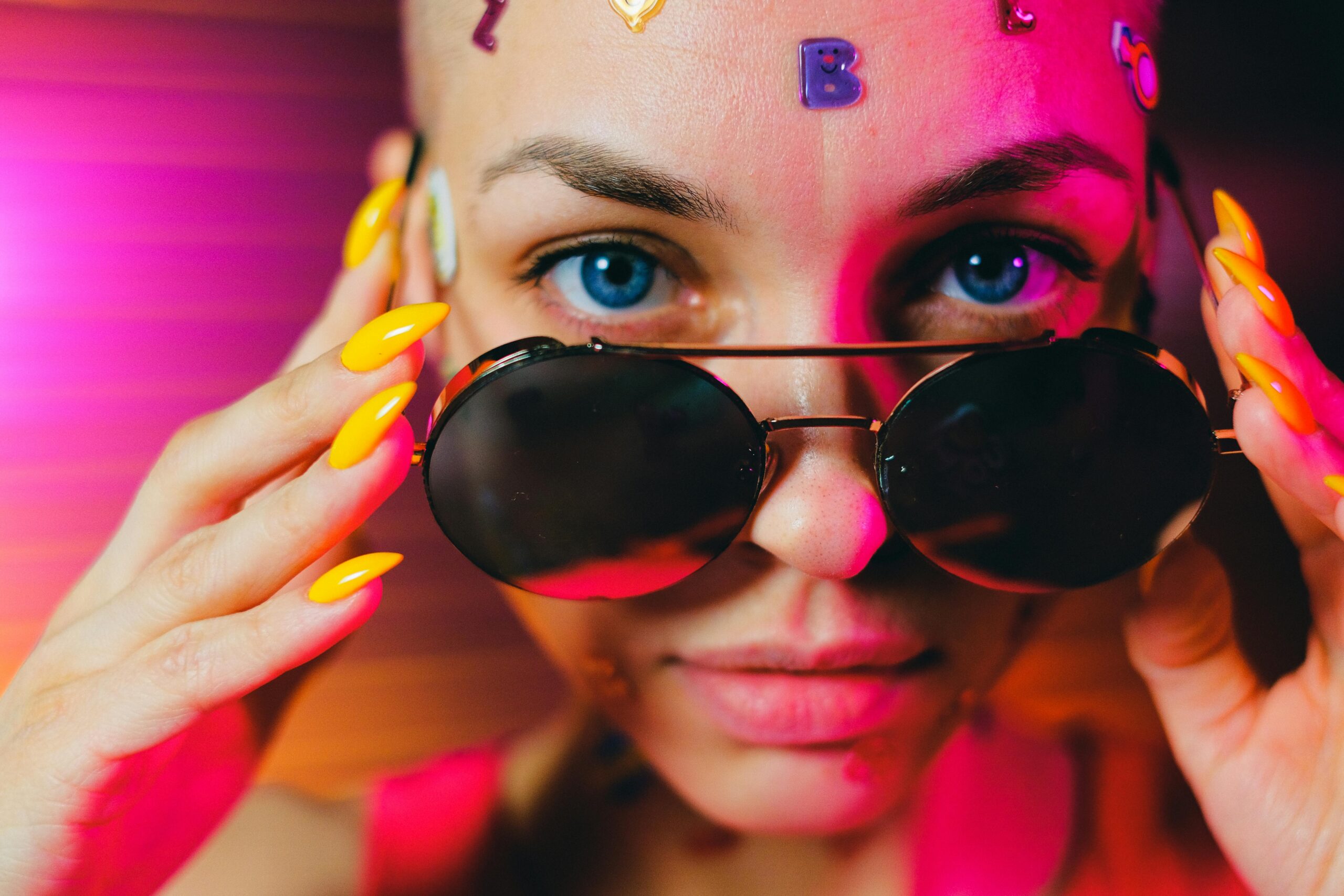
Maximalist fashion is characterized by its fearless approach to self-expression. It might combine vintage band tees with sequined skirts, layer multiple patterns and textures, or embrace head-to-toe neon. The only rule is that there are no rules—or rather, that personal joy and creativity trump external style dictates.
Key Elements of the Maximalist Movement ✨
- Color Confidence: Embracing bright, saturated hues and unexpected color combinations that minimalism deemed “too much”
- Pattern Play: Mixing prints like florals with stripes, animal prints with geometric patterns, without fear of clashing
- Textural Diversity: Combining different fabrics and finishes in single outfits—velvet with denim, sequins with cotton, leather with lace
- Vintage Integration: Incorporating statement pieces from different eras to create eclectic, personalized looks
- Accessory Abundance: Layering jewelry, bags, scarves, and other accessories without restraint
- Embellishment Enthusiasm: Celebrating details like ruffles, fringe, embroidery, and beading that minimalism rejected as excessive
The Psychology Behind the Shift 🧠
This fashion rebellion reflects deeper psychological and social shifts. After years of global uncertainty, from pandemic lockdowns to economic instability, many people are craving joy, escapism, and self-expression through their clothing choices. Fashion has always served as both armor and art, and maximalism offers a way to reclaim personal agency and optimism.
Psychologists note that colorful, expressive clothing can boost mood and confidence. The act of getting dressed becomes a creative practice rather than a minimalist routine. For many, especially younger generations, fashion maximalism represents authenticity in an increasingly curated digital world—it’s messy, human, and imperfect in the best possible way.
The movement also aligns with broader cultural conversations about individuality versus conformity. In an era where algorithms constantly push similar content, maximalist fashion becomes an act of resistance against homogenization. It’s a visual declaration that you refuse to be reduced to a aesthetic archetype.
Sustainability: The Unexpected Maximalist Advantage 🌍
Interestingly, maximalism might be more sustainable than minimalism in practice. While minimalists theoretically buy less, the pressure to maintain a “perfect” capsule wardrobe often leads to continuous replacement of items that no longer fit the exact aesthetic. Maximalists, meanwhile, embrace mixing old with new, thrifting, vintage shopping, and keeping pieces indefinitely because “everything works with everything.”
The maximalist approach encourages shopping secondhand, as vintage and thrift stores are treasure troves of bold, unique pieces that would never appear in minimalist wardrobes. This supports circular fashion economies and reduces demand for new production. Additionally, maximalism’s anything-goes philosophy means clothes don’t go out of style—that wild pattern from five years ago can always find new life in a different combination.
Fashion scholars have noted that many traditional cultures practiced sustainable maximalism long before it became trendy. Garments were embellished, repaired, passed down, and continuously reinvented through accessories and styling rather than discarded for not fitting a narrow aesthetic vision.
Social Media’s Role in the Revolution 📱
Platforms like TikTok and Instagram have accelerated the maximalist movement by democratizing fashion influence. Unlike the carefully curated minimalist Instagram aesthetic that dominated the 2010s, TikTok’s algorithm favors creativity, personality, and boldness. Fashion TikTok celebrates “dopamine dressing,” “clowncore,” “grandmillennial” style, and other maximalist micro-trends.
Young creators are building massive followings by showcasing outfits that would make minimalists recoil: clashing prints, unexpected combinations, DIY embellishments, and thrifted treasures styled in innovative ways. The platform’s video format allows for transformation content, showing how seemingly unwearable pieces can create stunning outfits.
Hashtags like #MaximalistFashion, #ColorfulStyle, and #MoreIsMore have garnered millions of views, creating communities where people share styling tips, thrift hauls, and encouragement for bolder fashion choices. This peer-to-peer validation provides an alternative to traditional fashion authority, empowering people to trust their own aesthetic instincts.
Designer Perspectives: From Runways to Real Life 👗
High fashion has embraced this shift enthusiastically. Designers like Christopher John Rogers, Richard Quinn, and Molly Goddard have built brands around color, volume, and drama. Even heritage houses traditionally associated with restraint have introduced maximalist collections, recognizing that consumers crave excitement and escapism.
The Spring/Summer collections of recent years have featured explosions of color, exaggerated silhouettes, and lavish embellishment. Designers are increasingly rejecting the notion that sophistication requires restraint, instead arguing that true luxury lies in craftsmanship, which often manifests in complex, detailed, maximalist garments.
This trickle-down effect influences fast fashion and accessible brands, which now offer bolder options alongside basic staples. Consumers have more permission than ever to experiment with statement pieces, knowing they’re aligned with current fashion momentum rather than fighting against it.
Practical Maximalism: Making It Work for You 🎨
Embracing maximalism doesn’t require abandoning all minimalist pieces or completely overhauling your wardrobe overnight. The beauty of this movement is its flexibility and personalization. Here’s how to thoughtfully incorporate maximalist elements into your style:
Start Small and Build Confidence
If your wardrobe is predominantly neutral, begin by adding one or two statement pieces—a boldly patterned blazer, colorful accessories, or embellished shoes. Experiment with pairing these items with your existing basics to create visual interest without overwhelming yourself. As your comfort grows, gradually introduce more color and pattern.
Find Your Maximalist Niche
Maximalism encompasses many aesthetic directions. Some people gravitate toward vintage glamour with sequins and feathers, others prefer bohemian pattern mixing, and still others embrace futuristic, avant-garde combinations. Explore different approaches through social media, magazines, and street style to discover what resonates with your personality.
Create a Color Story
While maximalism celebrates color, having a personal palette creates cohesion. You might love jewel tones, pastels, or neon brights—identifying your preferred color families makes mixing and matching easier while maintaining visual harmony. This isn’t about restriction but about intentional curation that reflects your unique taste.
Invest in Statement Accessories
Accessories offer a low-commitment way to experiment with maximalism. Bold earrings, colorful bags, patterned scarves, and layered necklaces can transform even simple outfits. These pieces are also easier to thrift or purchase affordably, allowing you to experiment without significant financial investment.
The Cultural Significance of Saying “Yes” to More 🌈
Beyond personal style, the rebellion against minimalism represents broader cultural conversations about joy, abundance mindset, and cultural appreciation. Many communities never embraced minimalism because their traditional dress celebrates color, pattern, and ornamentation—from West African prints to South Asian embroidery to Latin American textiles.
The maximalist movement creates space for these aesthetic traditions in mainstream fashion conversations, challenging the dominance of Eurocentric minimalism as the default “sophisticated” choice. This shift acknowledges that beauty standards are culturally constructed and that multiple aesthetic philosophies can coexist without hierarchy.
Fashion historians note that periods of maximalism often coincide with social change and optimism. The opulence of the 1920s followed WWI, the bold colors of the 1960s accompanied civil rights movements, and the excess of the 1980s reflected economic boom mentality. Today’s maximalist resurgence might signal collective hope and desire for transformation after challenging years.
Finding Balance: Neither Extreme Required ⚖️
The most sustainable approach might involve elements of both philosophies. You can appreciate minimalism’s emphasis on quality and intentionality while embracing maximalism’s celebration of creativity and self-expression. The key is rejecting dogmatism in favor of personal authenticity.
Your wardrobe might include carefully chosen basics alongside statement pieces that spark joy. You might dress minimally for work but maximally on weekends. The rebellion against minimalism isn’t about replacing one rigid system with another—it’s about reclaiming the freedom to dress according to mood, occasion, and personal preference without judgment.
Fashion should be fun, exploratory, and personally meaningful. Whether that looks like a capsule wardrobe, a rainbow explosion, or something in between is entirely up to you. The real revolution is rejecting external dictates about what your style “should” be and trusting your own aesthetic instincts.
The Future of Fashion Freedom 🚀
As we move forward, fashion appears to be embracing plurality. Retailers increasingly offer diverse aesthetic options, recognizing that consumers want choice rather than prescription. The conversation has shifted from “minimalism versus maximalism” to “what makes you feel most yourself?”
This evolution benefits everyone. Minimalists can continue enjoying their pared-back aesthetic without judgment, while maximalists have cultural permission to embrace color and pattern. The fashion industry becomes richer and more inclusive when multiple perspectives coexist, each valid and valuable.
Technology also plays a role in this democratization. Virtual styling tools, augmented reality try-ons, and AI-powered recommendations help people experiment with different aesthetics before committing. Online communities provide support and inspiration for those exploring new style directions, making fashion more accessible than ever.
The bold rebellion against fashion minimalism ultimately celebrates individual expression over conformity, joy over restriction, and creativity over rules. Whether you choose to embrace maximalism fully, stick with minimalism, or blend both approaches, the movement’s greatest gift is permission—permission to experiment, change your mind, and define style on your own terms. In a world that constantly tries to categorize and limit us, that freedom is truly revolutionary.
