
Anúncios
The fashion industry thrives on desire, but beneath the glossy campaigns and trending styles lies a growing problem: fast fashion guilt is weighing heavily on consumers who crave style without sacrificing their values.
🌍 Understanding the Real Cost of Fast Fashion
Fast fashion has revolutionized the way we consume clothing, making trendy pieces accessible at unprecedented prices. However, this convenience comes with hidden costs that extend far beyond our wallets. The environmental impact alone is staggering—the fashion industry produces 10% of global carbon emissions and remains the second-largest consumer of the world’s water supply.
Every year, approximately 92 million tons of textile waste end up in landfills, with the average consumer throwing away 60% of new clothing within the same year of purchase. These statistics paint a sobering picture of an industry built on disposability, where clothing is designed to be worn briefly and discarded quickly.
The social implications are equally troubling. Garment workers, predominantly women in developing countries, often work in unsafe conditions for wages that barely cover basic necessities. The collapse of the Rana Plaza building in Bangladesh in 2013, which killed over 1,100 garment workers, brought these issues into stark relief, sparking a global conversation about ethical fashion practices.
🧠 The Psychology Behind Fashion Guilt
Understanding why we feel guilty about fast fashion purchases requires examining the complex relationship between consumption, identity, and values. Many shoppers experience cognitive dissonance—the uncomfortable tension between wanting to look stylish and knowing their purchases harm the environment and exploit workers.
This guilt often manifests in several ways. Some people become “guilt shoppers,” purchasing items impulsively and then feeling immediate remorse. Others practice avoidance, refusing to acknowledge the impact of their choices. Many fall into a cycle of promising to do better while continuing the same patterns, creating a loop of intention without action.
Social media amplifies these feelings by constantly showcasing new trends and “haul” videos that normalize excessive consumption. The pressure to maintain a fresh, varied wardrobe for online visibility pushes many toward fast fashion, even when it conflicts with their environmental and ethical beliefs.
The Shame-Shopping Connection
Retail therapy is real, but it often creates more problems than it solves. When feeling stressed or unhappy, many turn to shopping for a temporary mood boost. Fast fashion, with its low prices and instant gratification, becomes the perfect vehicle for this coping mechanism. However, the guilt that follows the purchase can intensify negative feelings, creating a harmful cycle.
Breaking this pattern requires recognizing these emotional triggers and developing healthier responses to stress and dissatisfaction. Self-awareness becomes the first step toward meaningful change in consumption habits.
✨ Redefining Your Relationship with Style
Embracing sustainable style doesn’t mean sacrificing fashion or personal expression. Instead, it involves shifting perspective from quantity to quality, from trends to timelessness, and from ownership to stewardship. This transformation begins with understanding what truly matters in your wardrobe.
Start by auditing your current closet. Most people wear only 20% of their wardrobe regularly, meaning 80% of clothing sits unused. This realization can be both shocking and liberating—you likely already own enough to create countless outfits without buying anything new.
Developing a personal style philosophy helps cut through trend noise and marketing messages. Ask yourself: What colors make me feel confident? What silhouettes flatter my body and fit my lifestyle? What values do I want my clothing choices to reflect? These questions guide more intentional purchasing decisions.
🛍️ Practical Strategies for Sustainable Shopping
Transitioning to sustainable fashion doesn’t happen overnight, but these actionable strategies can help you make meaningful progress without feeling overwhelmed.
The 30-Wear Rule
Before purchasing any item, ask yourself: “Will I wear this at least 30 times?” This simple question dramatically reduces impulse purchases and encourages investment in versatile, high-quality pieces. If you can’t imagine wearing something 30 times, it’s probably not worth buying.
Quality Indicators to Look For
Learning to identify quality construction helps you invest wisely in longer-lasting garments. Check these key features:
- Seam quality: Look for tight, even stitching without loose threads
- Fabric weight: Higher-quality fabrics typically feel substantial, not flimsy
- Button and zipper quality: These should feel sturdy and operate smoothly
- Pattern matching: Well-made garments align patterns at seams
- Hem finishing: Check for proper finishing inside the garment
- Natural fiber content: Natural materials often last longer and age better
Building a Capsule Wardrobe
A capsule wardrobe consists of a curated collection of versatile pieces that work together seamlessly. This approach simplifies daily dressing while reducing consumption. Start with approximately 30-40 high-quality items that reflect your lifestyle and personal aesthetic.
The foundation includes classic pieces in neutral colors: well-fitted jeans, tailored trousers, white shirts, quality knits, and versatile outerwear. Add personality through carefully selected accent pieces in colors and patterns that bring you joy.
♻️ Exploring Sustainable Fashion Alternatives
The sustainable fashion landscape offers numerous alternatives to traditional fast fashion, each with unique benefits and considerations.
Secondhand and Vintage Shopping
Thrift stores, vintage boutiques, and online resale platforms provide access to unique pieces while giving clothing a second life. This option often delivers the best environmental impact since it requires no new production. Shopping secondhand also allows you to afford higher-quality brands at accessible prices.
Popular resale platforms have made secondhand shopping more convenient than ever. Apps focusing on peer-to-peer clothing sales have created thriving communities around sustainable fashion exchange.
Clothing Rental Services
For special occasions or trying new styles, rental services offer an innovative solution. These platforms let you enjoy variety without permanent ownership, perfect for trend experimentation or event dressing. While shipping impacts exist, the reduced production need often makes rental more sustainable than purchasing.
Ethical Fashion Brands
A growing number of brands prioritize environmental sustainability and fair labor practices. These companies use organic or recycled materials, ensure living wages for workers, and maintain transparent supply chains. While often more expensive upfront, these garments typically last longer and align purchases with values.
Research brands before purchasing by checking certifications like Fair Trade, GOTS (Global Organic Textile Standard), or B Corporation status. Many ethical brands openly share their manufacturing processes and labor practices on their websites.
🔧 Caring for What You Already Own
Extending the life of your current wardrobe may be the most sustainable action you can take. Proper care significantly increases garment longevity, reducing the need for replacements.
Washing Wisdom
Overwashing damages clothing and wastes resources. Most garments don’t require washing after each wear—spot cleaning often suffices. When washing is necessary, use cold water to prevent shrinking and fading while reducing energy consumption. Turn items inside out to protect exterior surfaces, and always follow care label instructions.
Air drying preserves fabric integrity better than machine drying, which can cause shrinkage and wear. Investment in a good drying rack pays dividends in extended garment life.
Basic Repair Skills
Learning simple repairs empowers you to fix minor issues rather than discarding damaged items. Sewing on buttons, mending small holes, and hemming garments are skills anyone can master with basic supplies and online tutorials. These repairs take minutes but can extend a garment’s life by years.
For more complex alterations, local tailors and seamstresses can transform ill-fitting pieces into wardrobe favorites. Tailoring creates custom fit impossible to achieve with off-the-rack clothing.
💡 Shifting Your Fashion Mindset
Lasting change requires more than new shopping strategies—it demands a fundamental shift in how we think about clothing and consumption.
From Trend-Chaser to Style-Cultivator
Trends come and go with dizzying speed, designed to make last season’s purchases feel obsolete. Cultivating personal style means developing a look that transcends trends, rooted in what genuinely suits you rather than what’s currently popular.
This doesn’t mean ignoring trends entirely. Instead, observe which trends resonate with your existing aesthetic and incorporate them thoughtfully through accessories or small updates rather than complete wardrobe overhauls.
Embracing “Enough”
Consumer culture constantly pushes the message that we need more, but satisfaction comes from appreciating what we have. Practicing gratitude for your existing wardrobe shifts focus from lack to abundance. This mindset reduces the constant desire for newness that fuels overconsumption.
Try a “shop your closet” challenge: spend a month creating new outfit combinations from existing pieces without buying anything new. This exercise often reveals forgotten items and sparks creativity in styling.
🌱 The Ripple Effect of Your Choices
Individual actions might seem small against the massive fashion industry, but collective consumer choices drive significant change. Brands respond to demand—as more shoppers prioritize sustainability, companies adapt their practices to remain competitive.
Your choices influence those around you. When friends notice your sustainable style approach, conversations begin. Sharing your journey—including struggles and successes—normalizes sustainable fashion and inspires others to examine their own consumption patterns.
Social media can amplify positive change. Instead of haul videos, share outfit repeating, styling challenges, thrift finds, or repair projects. This content shifts online fashion culture toward sustainability.
Supporting Systemic Change
While personal choices matter, systemic issues require policy-level solutions. Support legislation promoting transparency in fashion supply chains, worker protection, and environmental standards. Advocate for extended producer responsibility, requiring brands to handle textile waste from their products.
Join or support organizations working toward fashion industry reform. Many nonprofits focus on labor rights, environmental protection, and sustainable fashion advocacy, amplifying individual voices into collective action.
🎯 Creating Your Sustainable Style Action Plan
Moving from guilt to action requires a realistic, personalized plan. Here’s how to develop yours:
Assess Your Starting Point
Honestly evaluate your current habits without judgment. How often do you shop? What triggers purchases? Which items do you actually wear? Understanding your patterns identifies specific areas for improvement.
Set Realistic Goals
Perfection isn’t the goal—progress is. Set achievable targets like “buy secondhand first,” “complete a three-month shopping pause,” or “repair rather than replace when possible.” Small, consistent changes create lasting impact.
Track Your Progress
Keep a simple fashion journal noting purchases, their cost, origin, and how often you wear them. This record provides valuable insights into your habits and progress, helping maintain motivation and identify remaining challenges.
Build Your Support Network
Connect with like-minded individuals through online communities, local swap groups, or sustainability-focused fashion forums. Sharing experiences, challenges, and victories with others on similar journeys provides encouragement and accountability.
🌟 Finding Joy in Sustainable Style
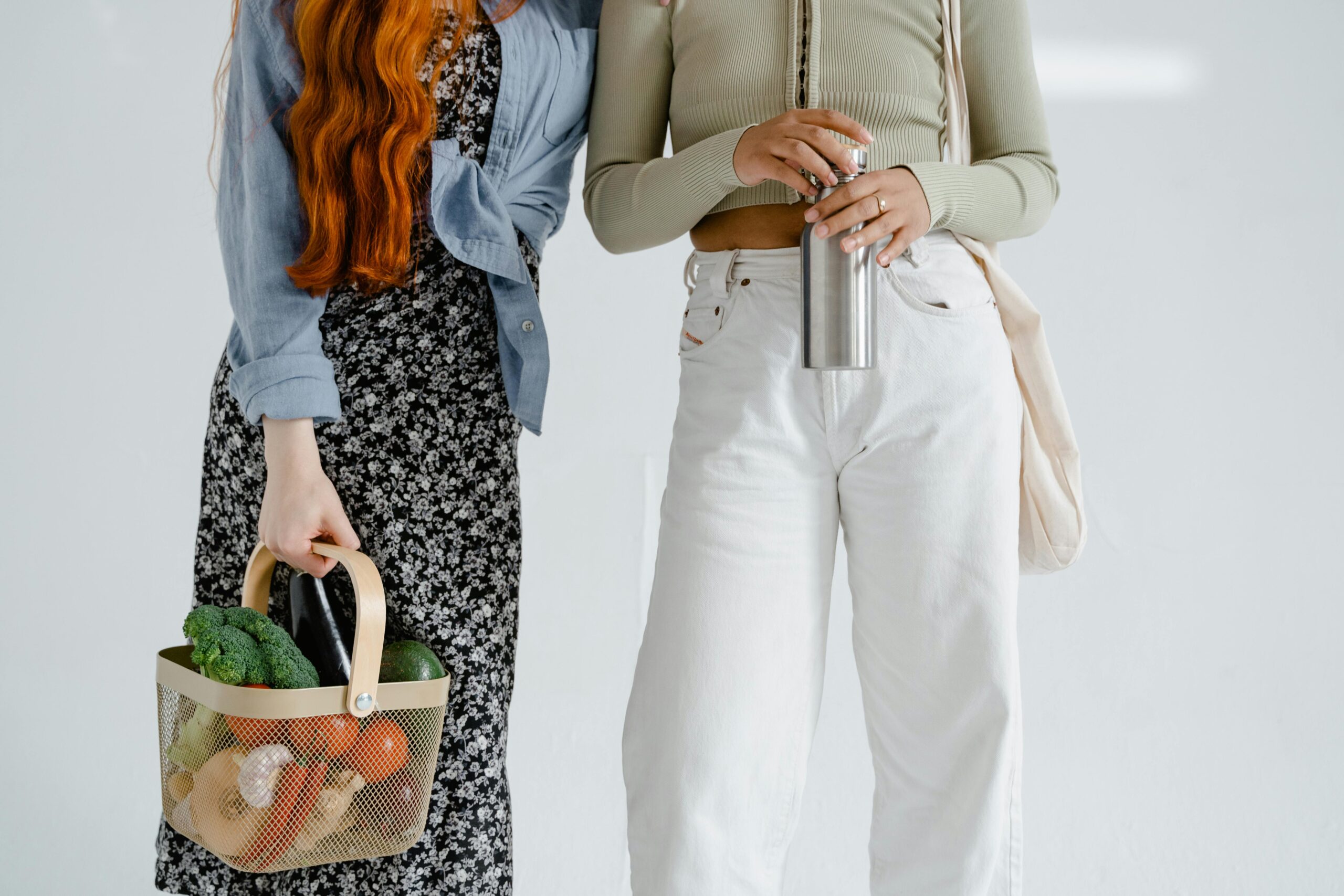
Sustainable fashion shouldn’t feel like deprivation or sacrifice. The most successful approaches find genuine pleasure in the process—the thrill of a perfect thrift store find, the satisfaction of repairing a beloved item, the confidence that comes from dressing aligned with your values.
Celebrate your wardrobe’s stories. Each piece with history—whether inherited, thrifted, or carefully saved for—holds meaning beyond momentary trends. This connection to clothing creates deeper satisfaction than fast fashion’s fleeting excitement.
Creativity flourishes within constraints. Limited but well-chosen wardrobe options encourage innovative styling and personal expression. The challenge of creating fresh looks from existing pieces becomes a rewarding creative practice.
Moving beyond fast fashion guilt means embracing imperfection. You won’t always make the perfect choice, and that’s okay. What matters is the overall direction of your journey—toward more conscious, intentional relationship with clothing that honors both your personal style and broader impact on people and planet. Every small step contributes to breaking the cycle and building a more sustainable fashion future.
